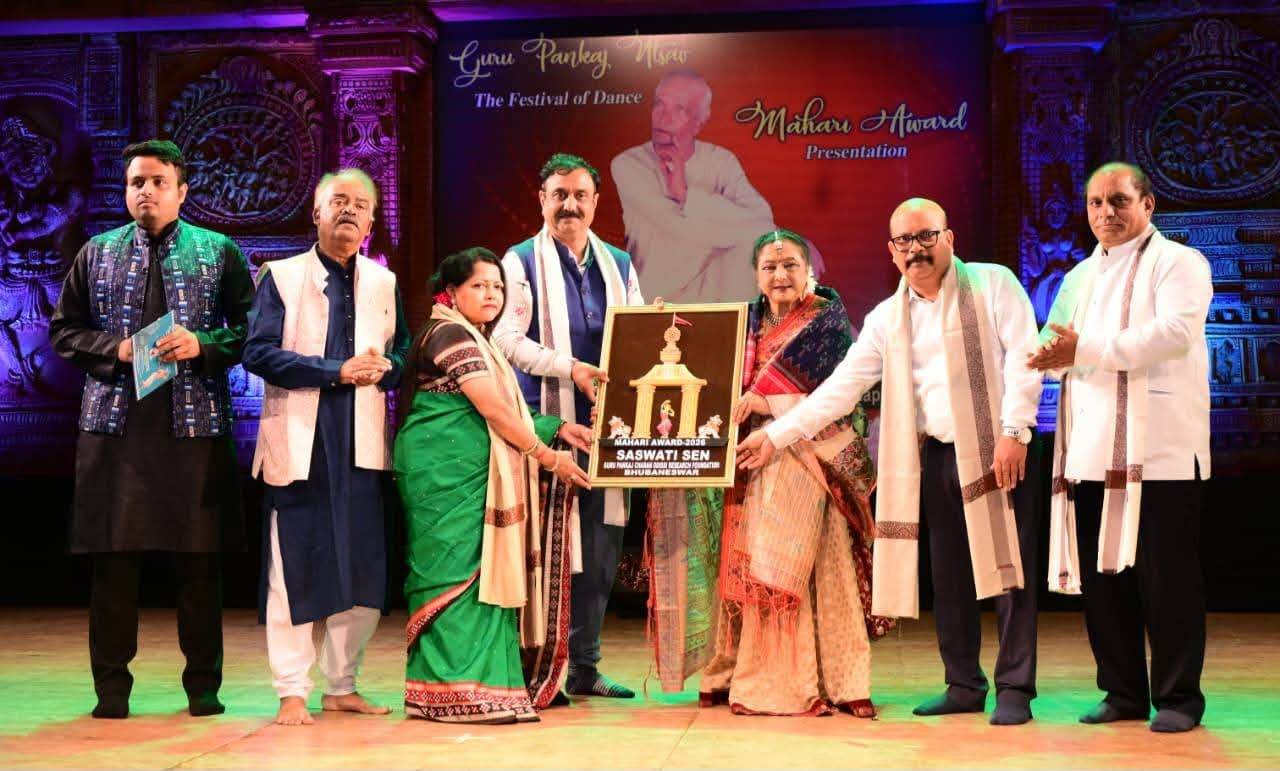
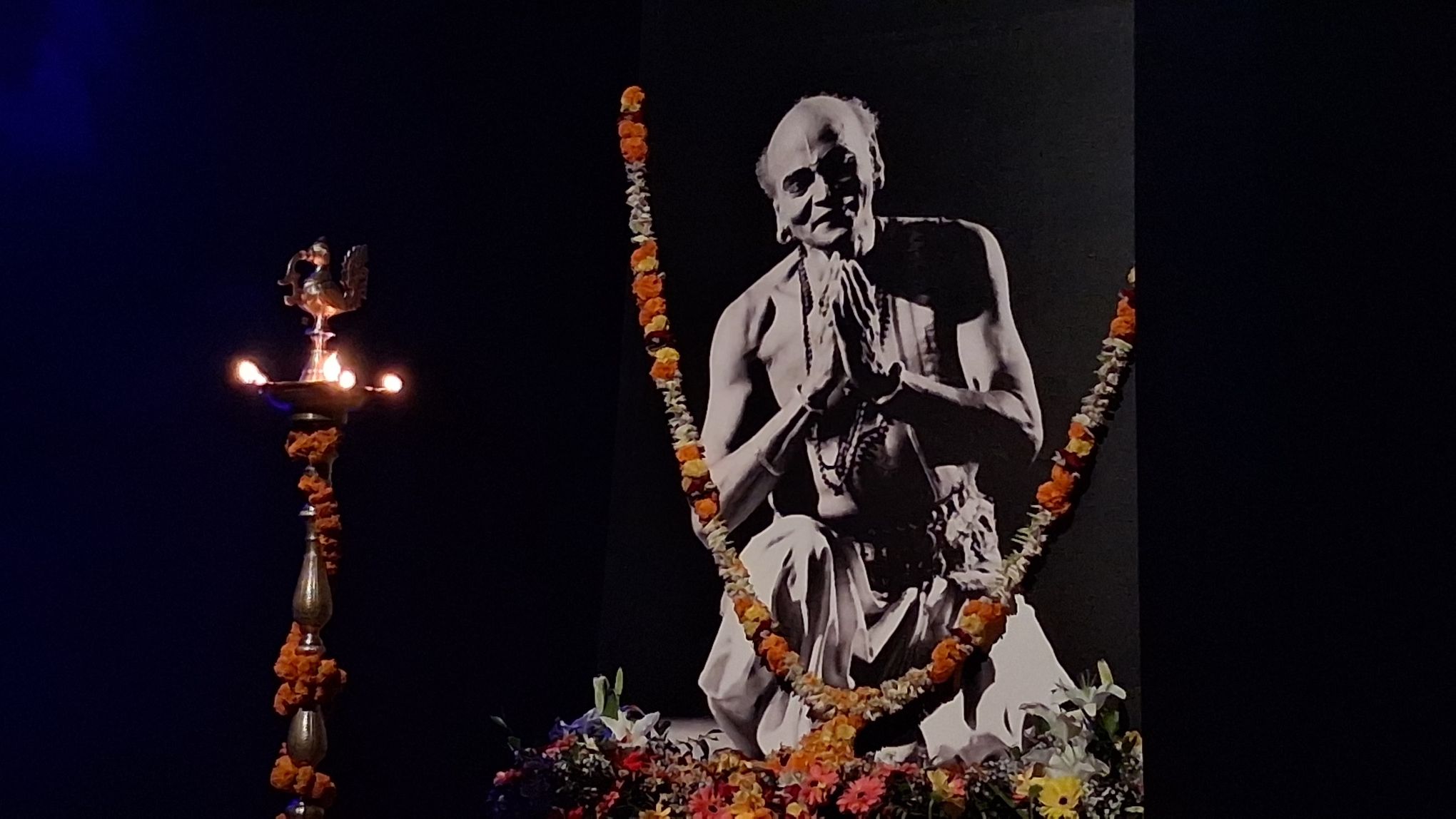
Bhubaneswar: That the legacy of Guruji (Padma Vibhushan Guru Kelucharan Mohapatra), revered as the architect of Odissi dance, continues to breathe through his disciples was amply evident at the birth centenary celebrations ‘Kelucharana-Keerti-Shatakam’, commenced on January 8 at two venues Utkal Rangamanch on the premises of Guru Kelucharan Mohapatra Odissi Research Centre and Rabindra Mandap, Bhubaneswar.
The three-day festival, organised by the Department of Odia Language, Literature and Culture, Govt. of Odisha, in associated with Guru Kelucharan Mohapatra Odissi Research Centre and Srjan-Guru Kelucharan Mohapatra Odissi Nrityabasa, unfolded in two sessions each day, celebrating not merely the master but the living tradition he sculpted.
This reviewer regrets missing the morning sessions, which featured Guruji’s disciples, senior dancers and art scholars sharing about the priceless moments from their association with the legend.
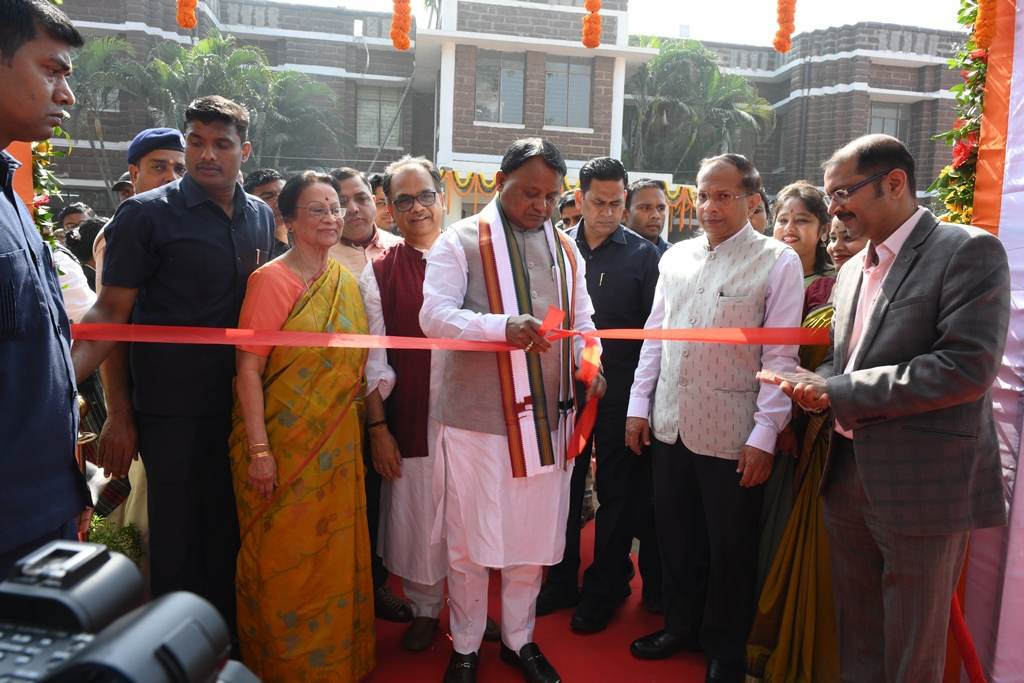
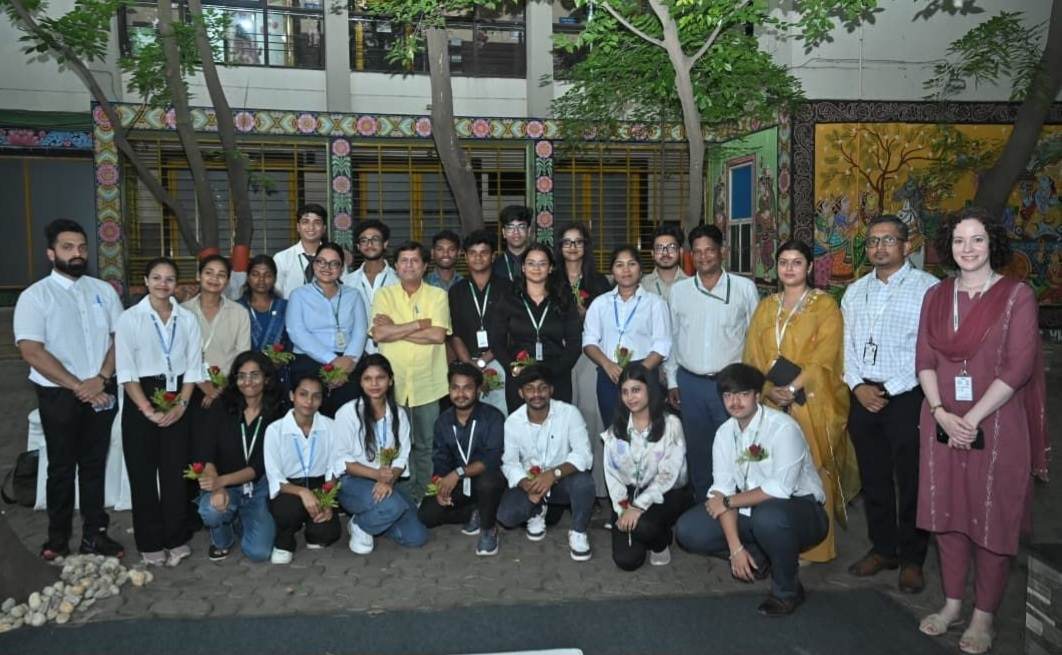
The inaugural morning was graced by Chief Minister Mohan Charan Majhi and witnessed over forty disciples, admirers, Odissi practitioners, and other luminaries from the world of art paying their respect to Guruji.
An Evening Steeped in Grace and Grandeur
The venue, Rabindra Mandap, wore a festive look right from the entrances. While the entire premises was bathed in colourful light and there was an aesthetically-curated photo exhibition showcasing 127 rare photographs of Guruji. A striking sand sculpture of Guruji became a major draw for visitors, while informative displays on his life and times were thoughtfully placed throughout the venue.
The evening session commenced with the lighting of the auspicious lamp by esteemed guests like Culture Minister Suryabanshi Suraj, Member of Parliament (Rajya Sabha) Dr. Sonal Mansingh, eminent Odissi Dancer and education luminary Dr. Priyambada Mohanty Hejmadi, Secretary of the Odia Language, Literature and Culture Department and Chief Executive Officer of Guru Kelucharan Mohapatra Odissi Research Centre, Dr. Bijay Ketan Upadhyay; Special Secretary of the Odia Language, Literature & Culture Department, Deba Prasad Dash; Secretary of the Odisha Sangita Natak Akademi Dr. Chandrasekhar Hota and Director, Srjan, Ratikanta Mohapatra.
Following the welcome address, delivered by Ratikant Mohapatra, Director, Srjan and speeches by the guests, the evening commenced on a soulful and patriotic note.
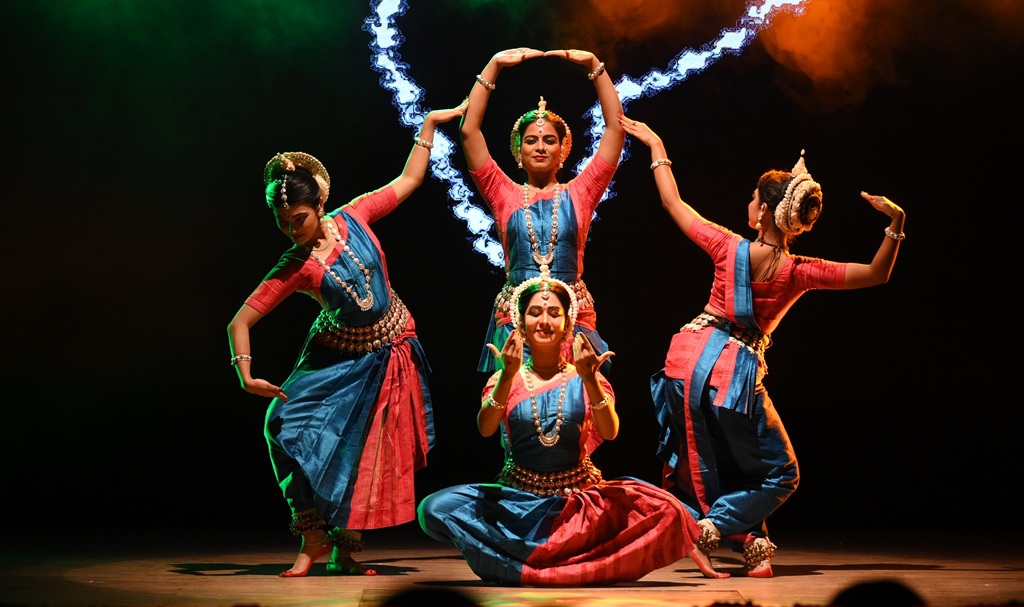
The Srjan Ensemble presented a timeless choreography of Guru Kelucharan Mohapatra – ‘Vande Mataram’, an evocative homage to the Motherland. Based on Raga Desh and presented by Srjan’s talented artistes Smt. Rajashri Praharaj, Aishwariya Singhdev, Preetisha Mohapatra, Madhabi Rout, Daina Ghose, and Prachi Mohanty, under the artistic direction of Guru Ratikant Mohapatra, the presentation gave a befitting start to the evening, promising more such scintillating performances in store.
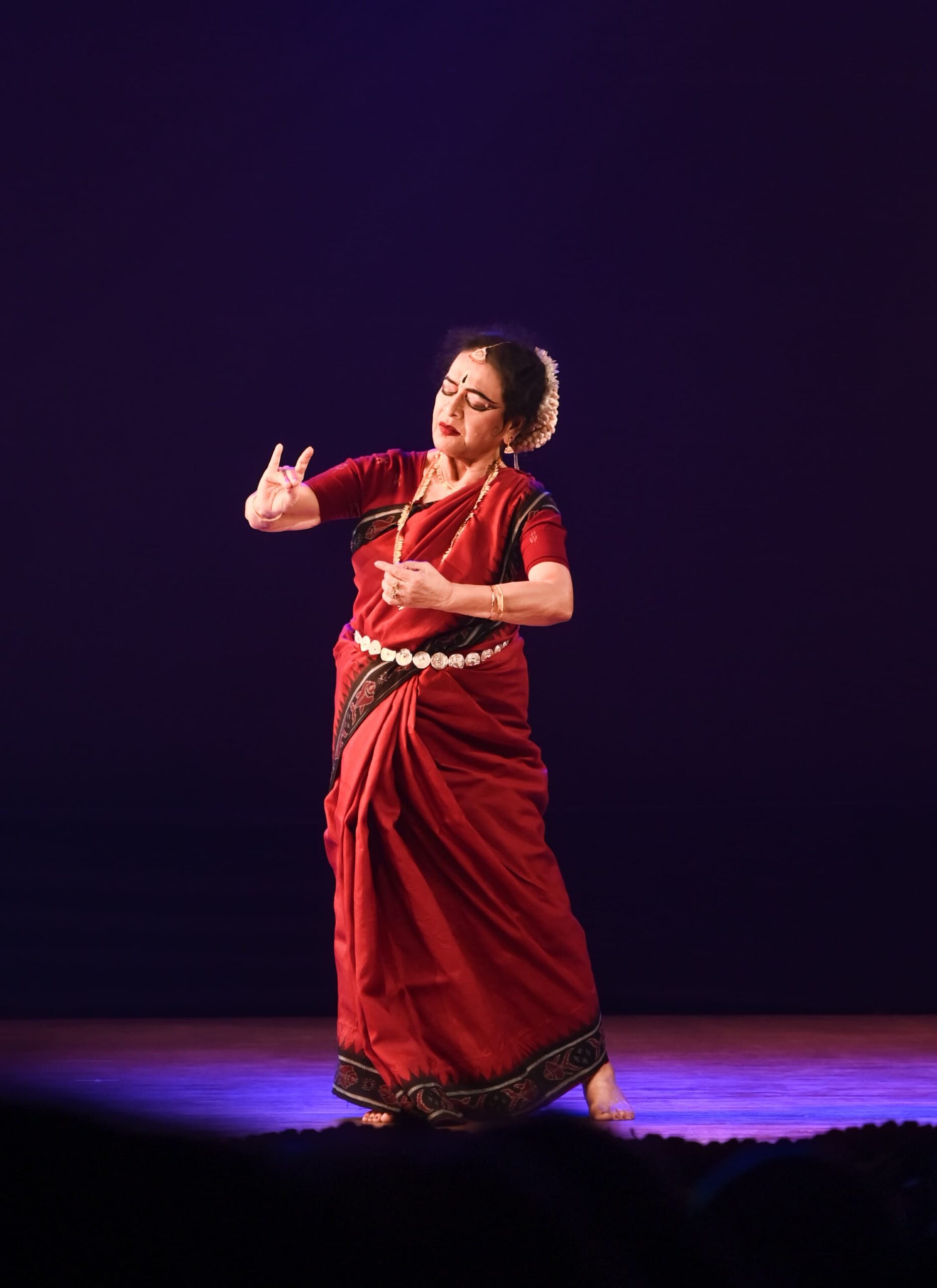
After this evocative beginning, Guru Smt. Kumkum Mohanty, one of Guruji’s earliest disciples, performed the Odia abhinaya ‘He Banagiri He Latagiri’, written by Biswanath Khuntia, the writer of the Bichitra Ramayan, choreographed by Guru Kelucharan Mohapatra and music by Pandit Bhubaneswar Mishra.
Watching her perform with such emotional depth and physical grace at an advanced age was deeply moving. Her delineating the character of Sita recounting the events leading to her abduction was truly mesmerising.
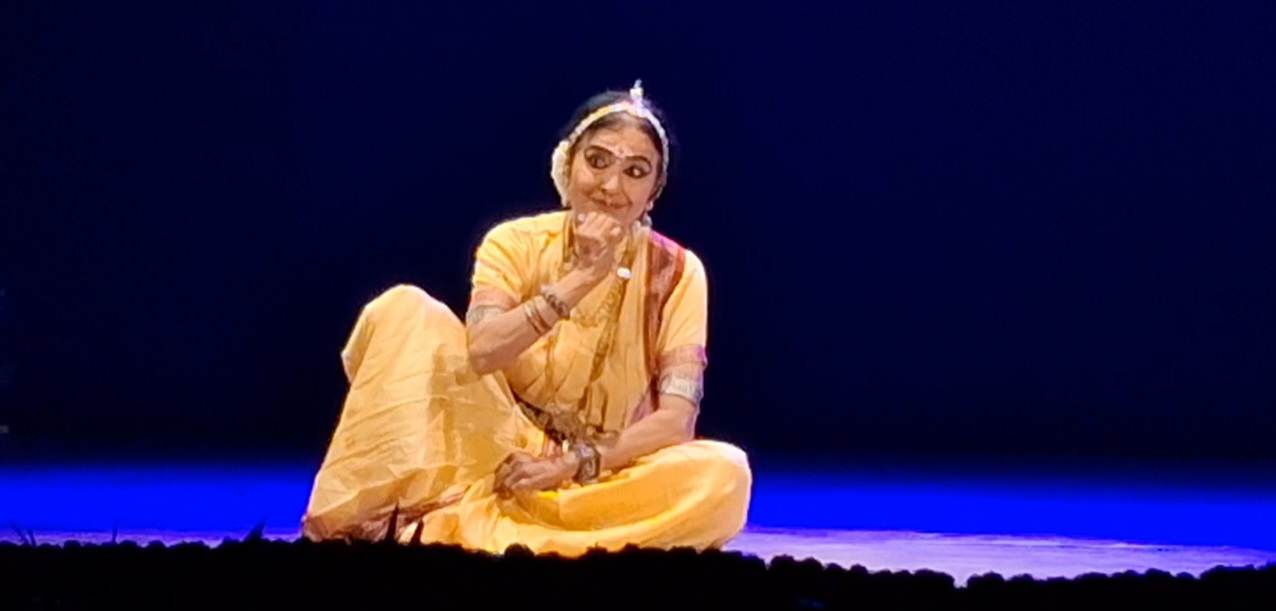
Next, Guru Smt Kumkum Lal, another distinguished disciple of Guruji now based in Delhi, presented ‘Kuru Yadu Nandan’, an item composed by Guruji in 1967 for Sonal Mansingh. In this piece, the last Ashtapadi of Gita Govinda written by 12th century poet Jayadeva, she brought alive Radha’s ecstatic union with Krishna through nuanced facial expressions and evocative netrabhinaya.
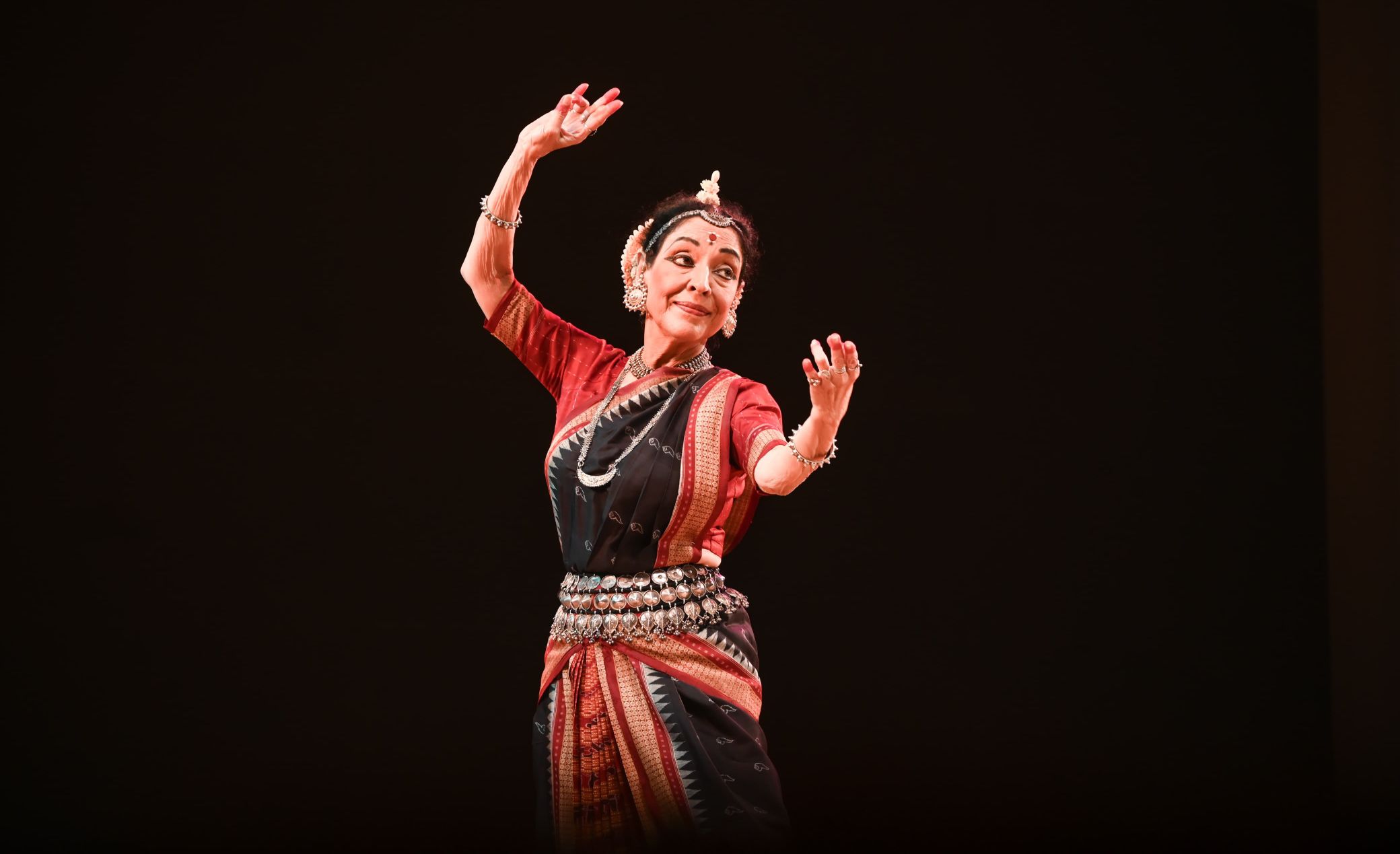
The stage then belonged to another distinguished disciple of Guruji Smt. Madhavi Mudgal, who had recently conducted a three-day workshop of a timeless Odia abhinaya of Guruji organised by Srjan. Her rendition, ‘Shankarabharana Pallavi’, set to Raga Shankarabharana and Tala Ektali, choreographed by Guruji with music by his best companion Pandit Bhubaneswar Mishra, was a masterclass in rhythmic sophistication, sculptural elegance, and commanding stage presence. Conceived in 1975 and recorded in 1979, the piece stood as a glowing testament to Guruji’s choreographic genius.
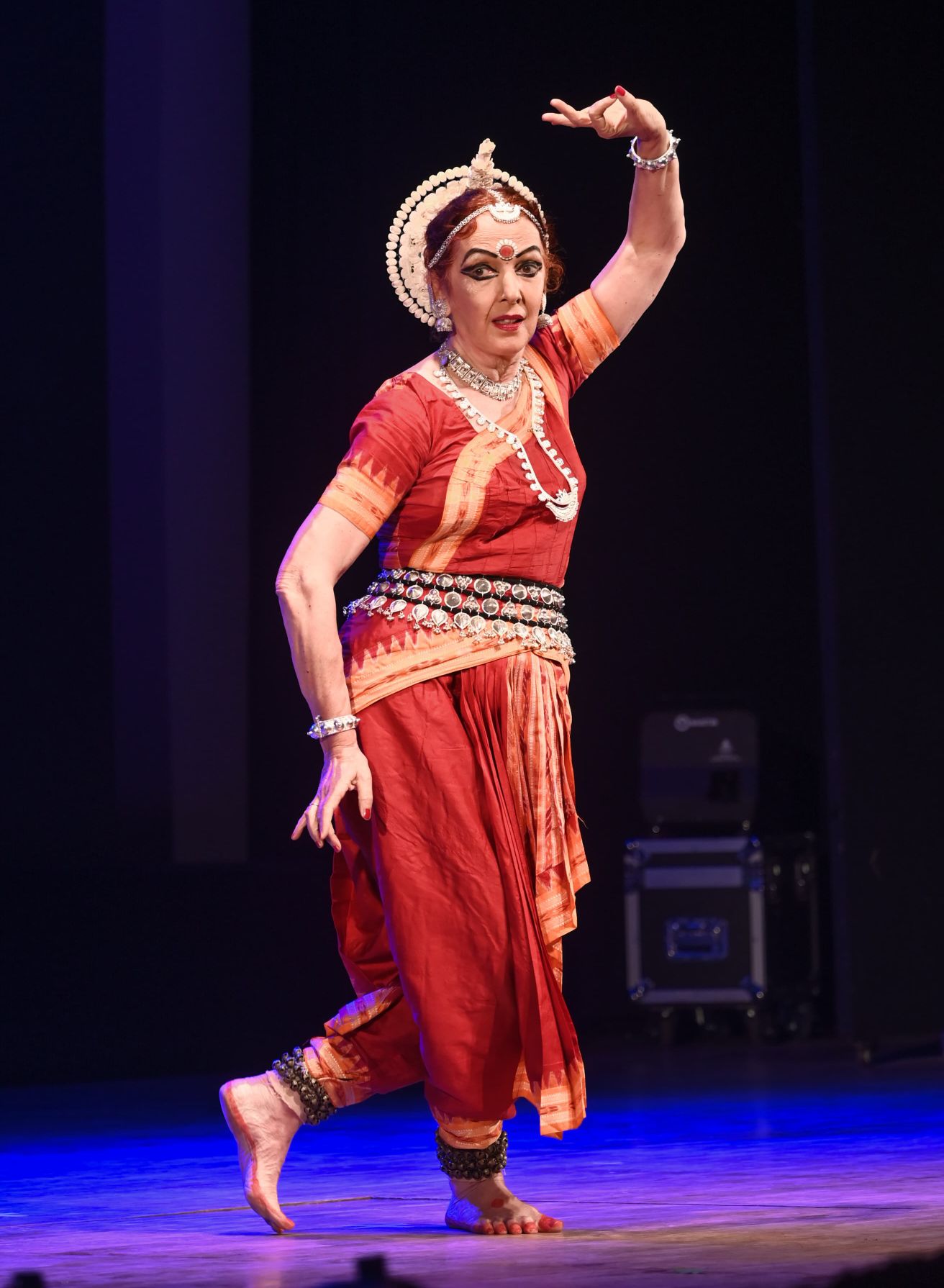
Italian-born Padma Shri recipient Ileana Citaristi, who has made Odisha her home since 1979 and trained under Guruji and learnt Chhau from Guru Hari Nayak and is presently imparting training at her institution Art Vision in Bhubaneswar, followed with ‘Dhira Samira’ from ‘Geeta Govinda’, choreographed by Guruji and set to the evocative music by Pandit Bhubaneswar Mishra. Guru Citaristi seamlessly navigated multiple characters—portraying a lovelorn Krishna and the persuasive sakhi—with remarkable fluidity and emotional clarity.
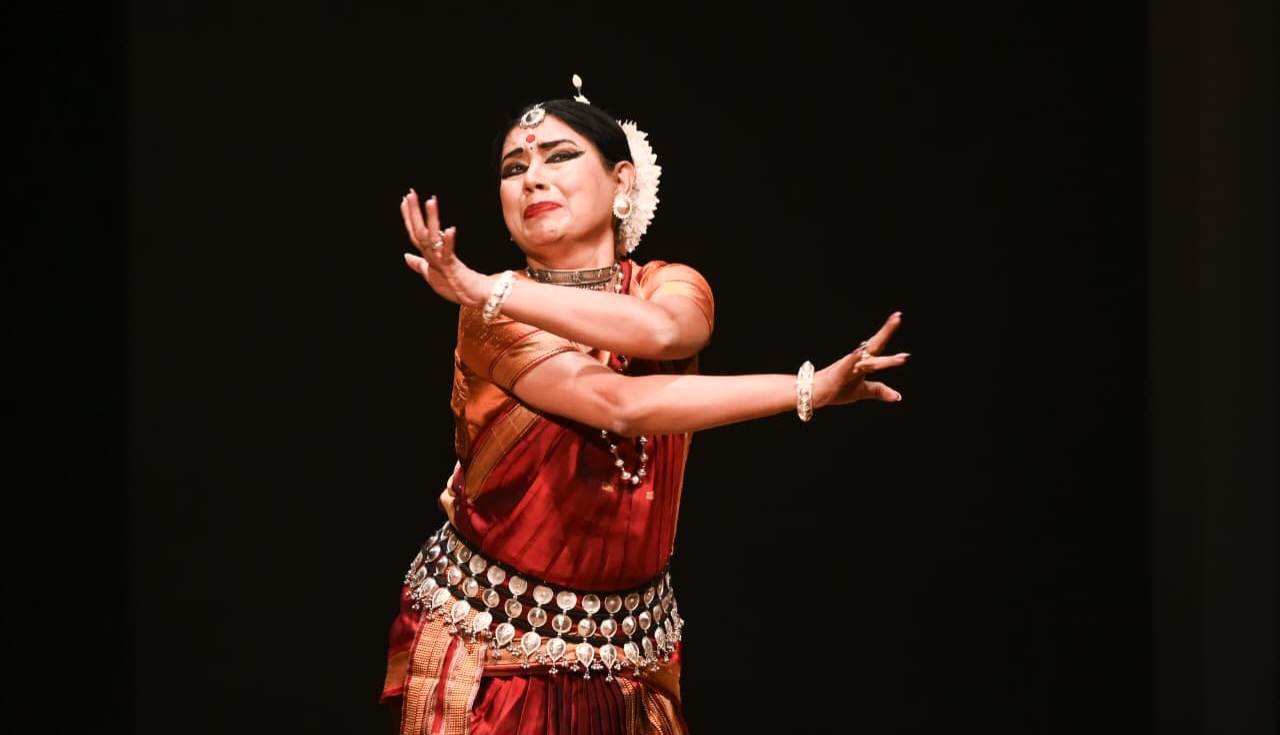
Padma Shri recipient Guru Smt Aruna Mohanty then presented ‘Ashwathama’, a compelling solo choreographed by herself with lyrics by Kedar Mishra, music by Guru Ramhari Das and rhythm by Guru Dhaneswar Swain. Though the episode from the Mahabharat is well known one, her restrained yet powerful depiction of Ashwatthama’s pride, anguish, and moral conflict stood out for its immaculate mukhabhinaya and psychological depth.
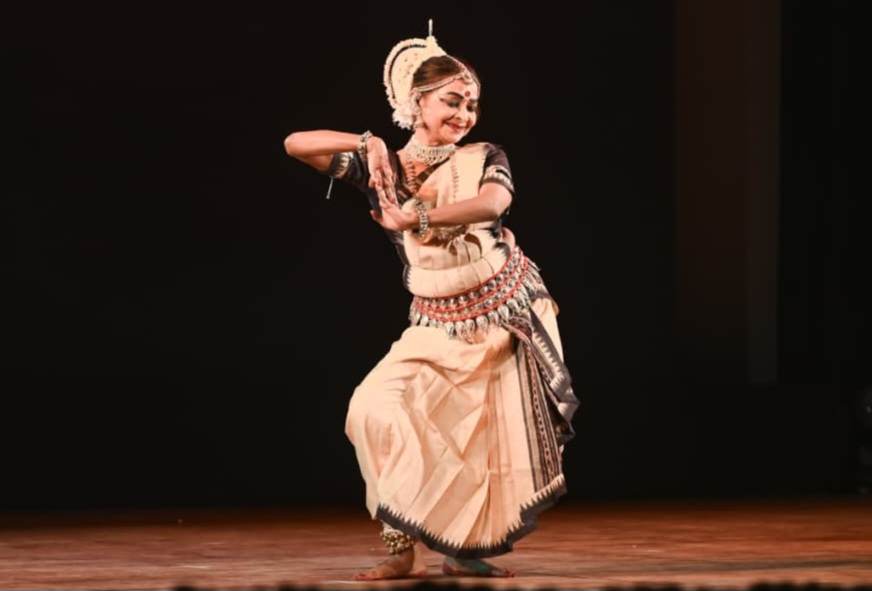
The following performer of the evening was Rina Jana, one of the senior disciples of Guruji from West Bengal, who presented ‘Behag Pallavi’, a 1988 composition set to Raga Behag and Tala Ektali, choreographed by Guru Kelucharan Mohapatra and Bhubaneswar Mishra. Her neat, sincere and aesthetically balanced performance left the art lovers captivated.
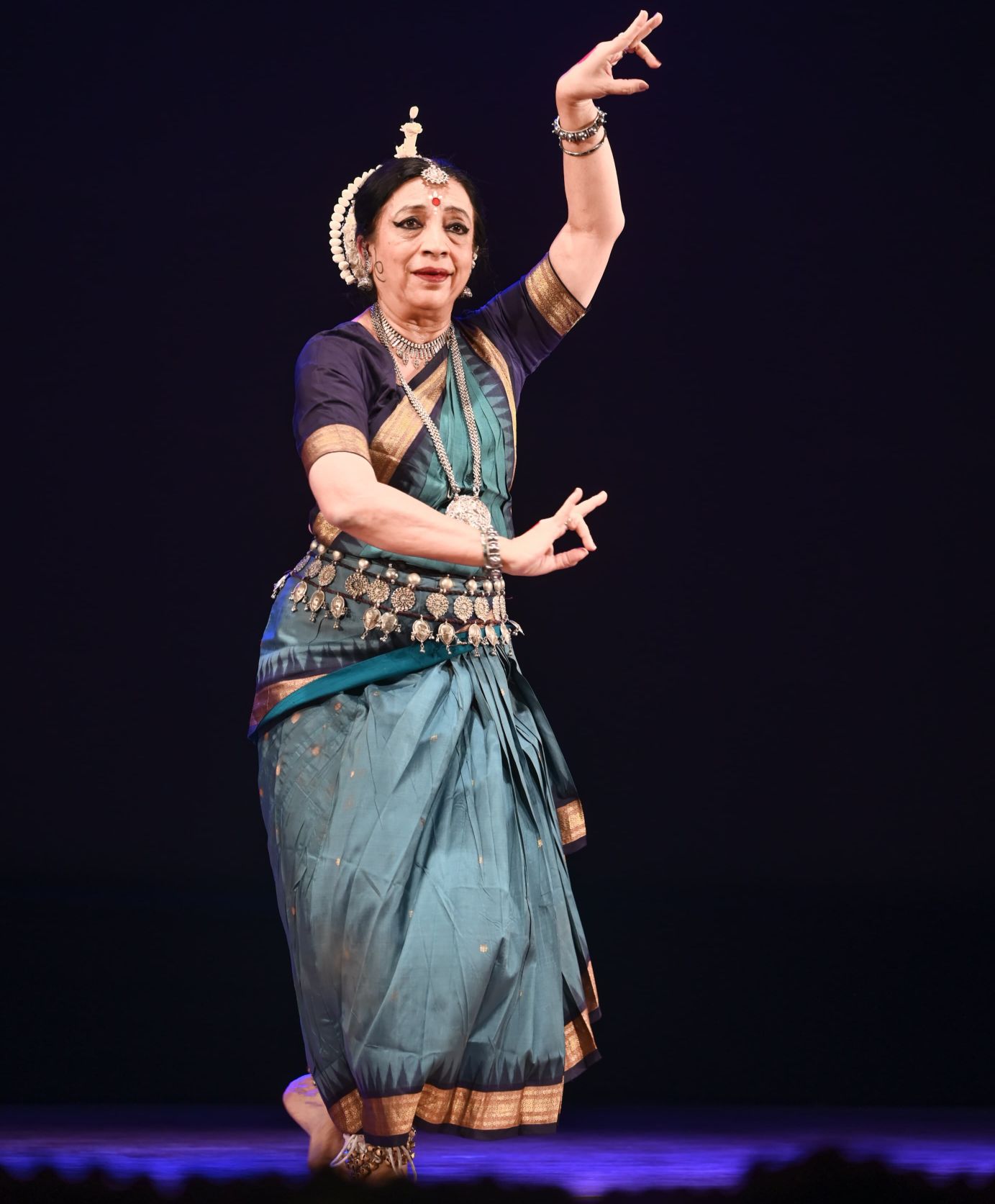
The following artiste was Smt Daksha Mashruwala, a distinguished disciple of Guruji and founder of ‘Kaishiki’, presented the Ashtapadi ‘Kisalaya Shayana Tale’. Her interpretation vividly brought out Radha’s indignation and Krishna’s gentle attempts at reconciliation, breathing fresh life into Guruji’s choreography.
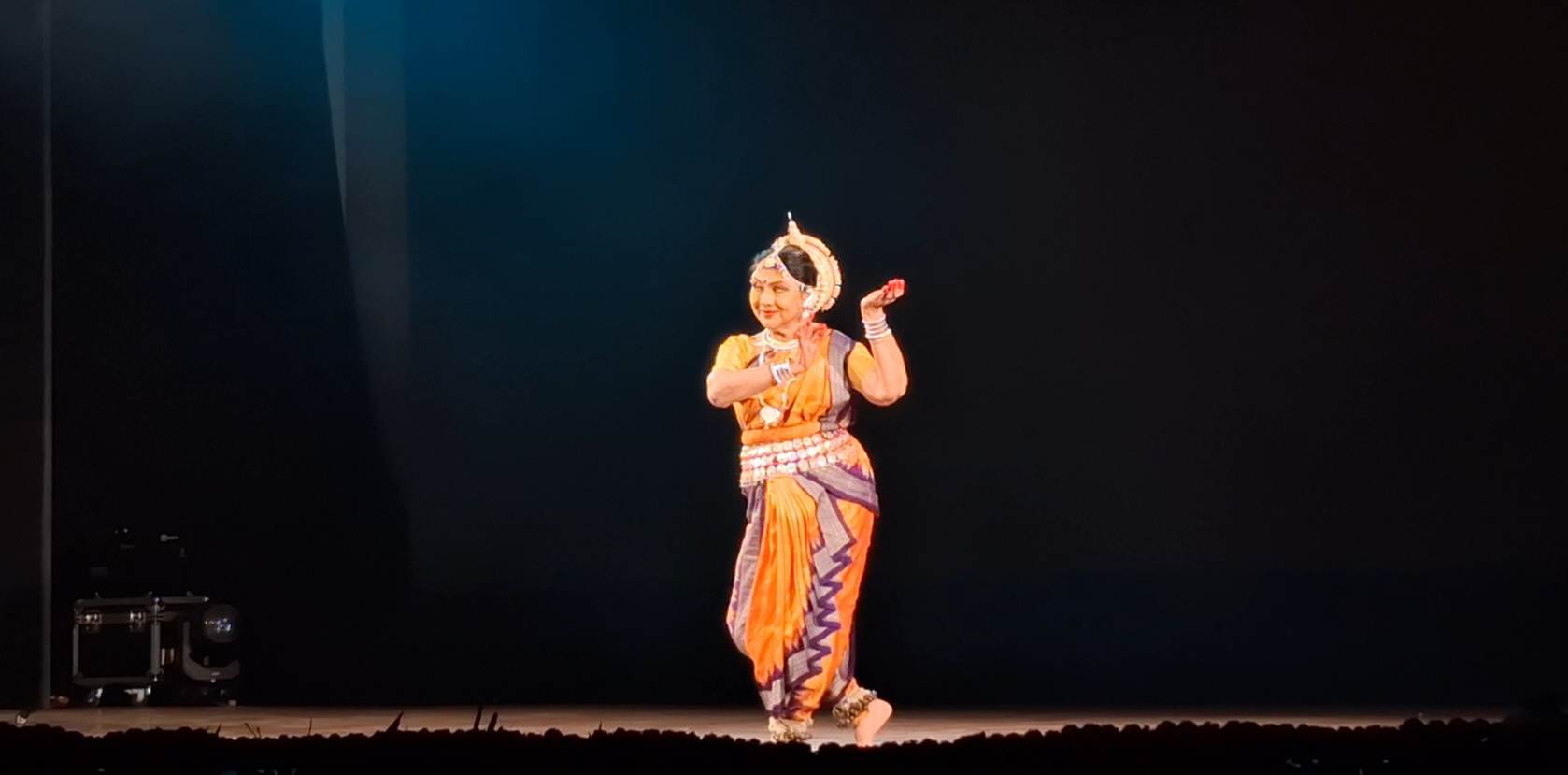
The penultimate performer of the evening was Smt Aloka Kanungo, who trained under Guru Raghunatha Dutta, Guru Mayadhar Rout and later Guruji and is running her institution ‘Shijan Nrityalaya’ in Kolkata. She presented an abhinaya ‘Patha Chhadi De’. Her abhinaya delicately portrayed Krishna’s playful obstruction of Radha, allowing her to leave only after securing her promise to return—an episode rendered with charm and narrative clarity.
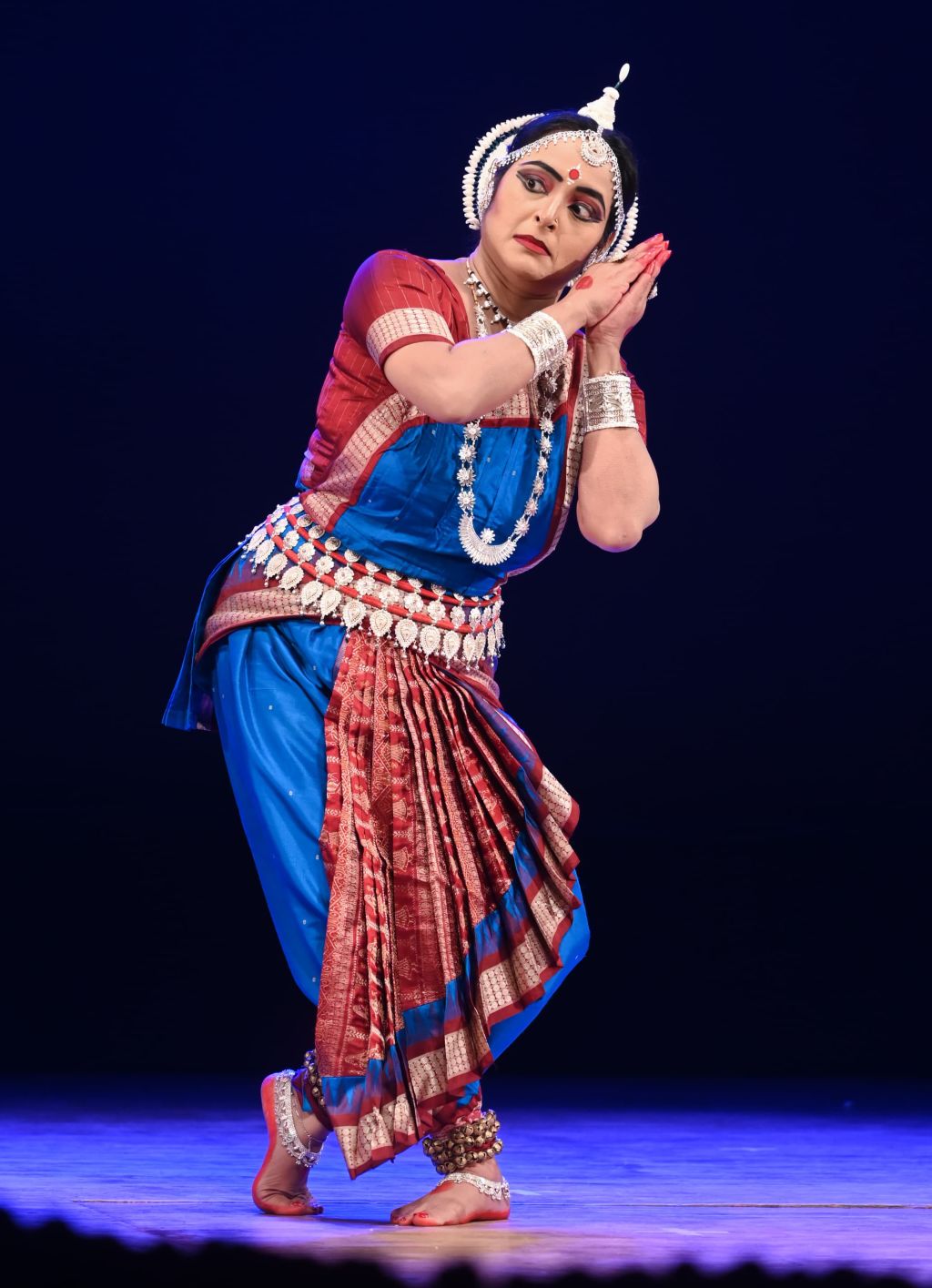
The evening concluded on a lyrical note with Smt Swapnakalpa Dasgupta’s rendition of the Ashtapadi ‘Sakhi He’, choreographed by Guru Kelucharan Mohapatra and music by Pandit Bhubaneswar Mishra. Her expressive storytelling of Radha recounting her past union with Krishna to her Sakhi left the audience spellbound.
Each performance was met with warm and sustained applause, reaffirming that Guru Kelucharan Mohapatra’s artistic lineage continues to flourish, undimmed by time.
Deviprasad Mishra’s sensitive light designing and the seamless anchoring by Dr Mrutyunjay Rath and Dr Nazia Alam further enriched the evening.