Bhubaneswar: On the second evening of ‘Nataka Parikrama 2026’, the annual theatre festival organised at Rabindra Mandap here by Bhubaneswar-based theatre group ‘Uttara Purusha’ from January 27 to January 29, this reviewer, and the theatre lovers in the auditorium as well, had a surprise encounter with the mythological character ‘Karna’, who continues to live, breathe and suffer among us.
Staged on January 28 as part of the annual theatre festival organised by the Bhubaneswar-based group from January 27 to 29, the play is written by noted playwright Dr. Bijay Kumar Satapathy and directed by Uttara Purusha president Dr. Prasanna Mishra.
First staged at Jaraka in Jajpur district in 1992 by Rupakar Theatre Group, the play revisits the Mahabharata’s tragic hero Karna and reinterprets him in a contemporary socio-psychological context.
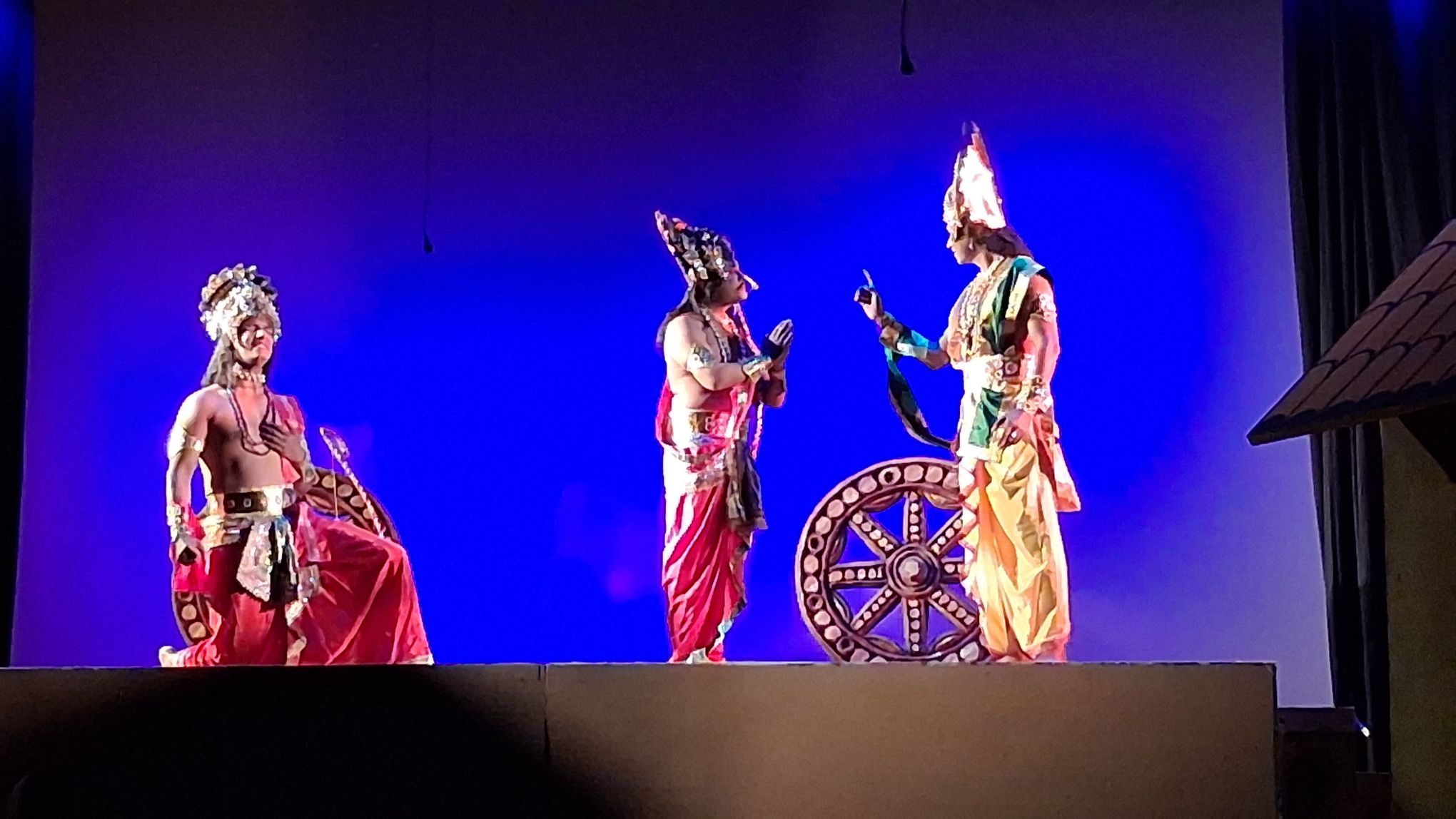
The play highlights how Karna is not merely a mythological figure but a timeless symbol of neglected identity, struggle, and the relentless search for self-recognition in society. Moving across mythological, historical, and modern timelines, the narrative reflects the recurring fate of the marginalized individual who lives in neglect, strives for dignity, and ultimately sacrifices his life in conflict.
The production effectively weaves ancient myth with modern sensibility, presenting Karna as a metaphor for present-day social injustice and human suffering. According to the playwright, the integration of mythic characters with contemporary events helps redefine present-day values and moral conflicts.
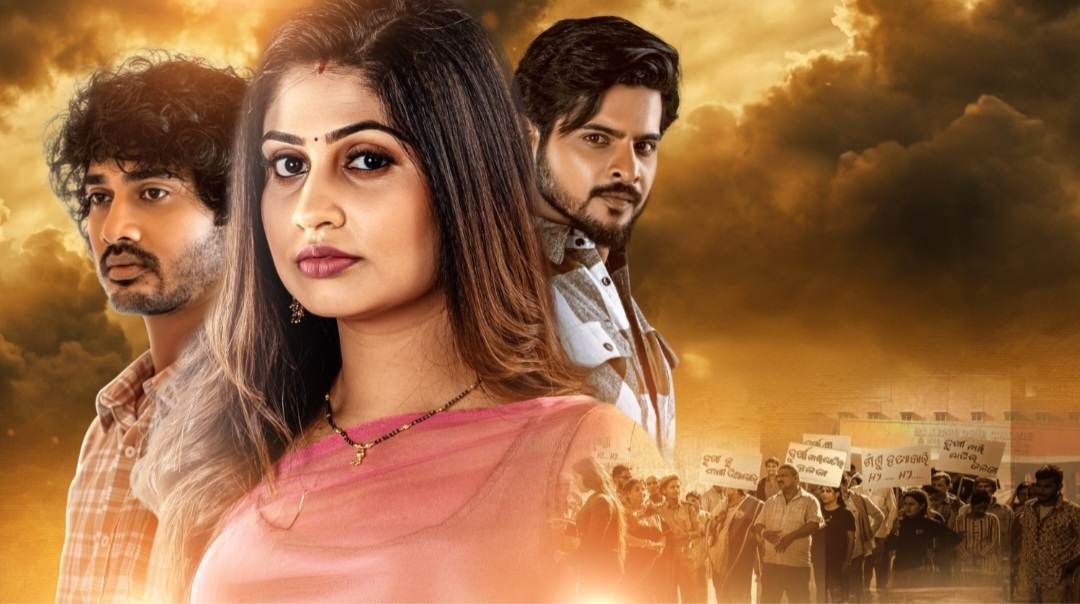
The narration revolves around Surya Prakash, who was born out of wedlock and abandoned by his mother Kunti only to be raised by a humble taxi driver. Years later, Kunti marries an industrialist and gives birth to Partha. Fate deals another cruel hand when she is widowed, and Partha takes charge of ‘Partha Group of Industries’.
Meanwhile, Surya Prakash grows into a well-educated young man, living with his ageing foster father. Haunted by the truth of his birth, he distances himself emotionally and refuses to marry his college sweetheart Krushna, who eventually marries Partha. What follows is a simmering conflict between the two men, intensified when Surya emerges as a voice for labour rights, leading protests against Partha’s factory.
Unexpectedly, Kunti and Krushna find a simmering conflict between Partha and Surya as the latter fights for the rights of the labourers of Partha’s factory. The conflict between them escalates as Partha suffers heavy losses due to the prolonged labour unrest.
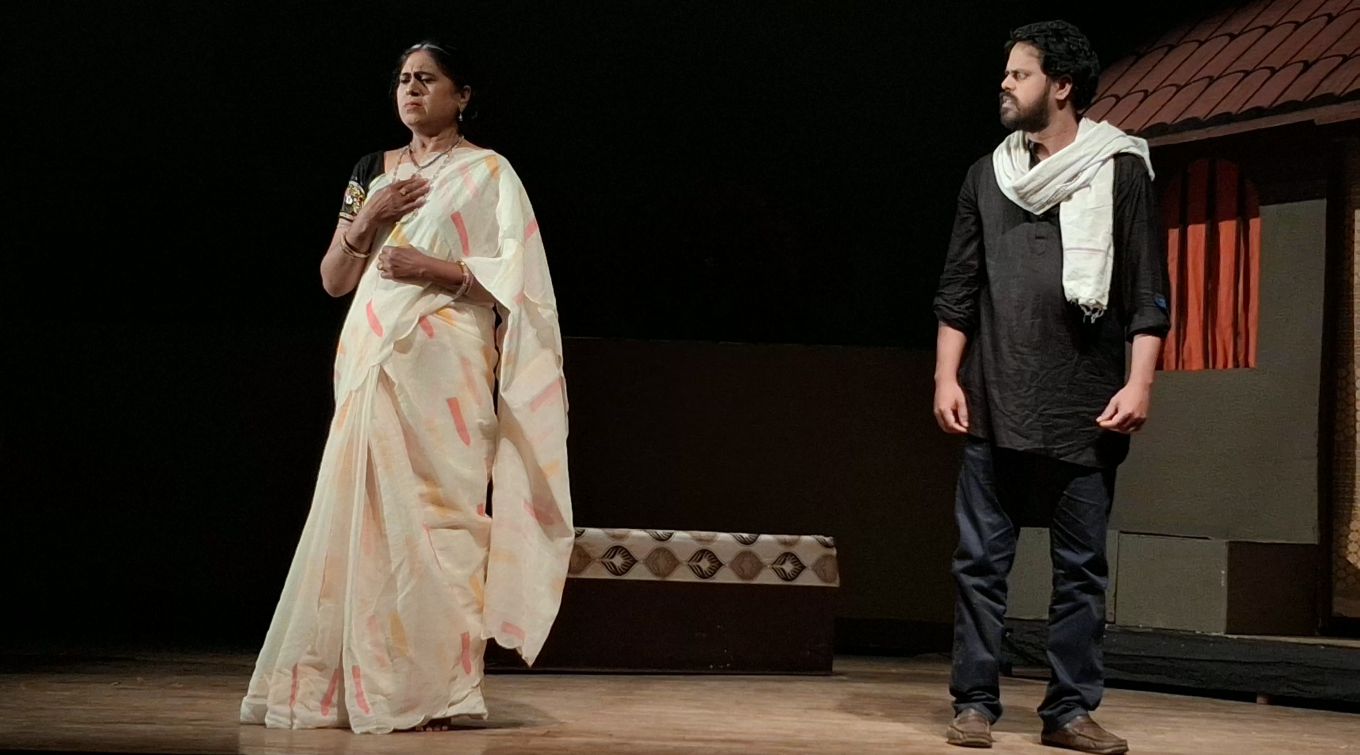
In the meantime, Kunti comes to know about Surya and his father and realises that he is none other than her son she abandoned years ago. Her affection takes her to Surya’s house where she reveals everything.
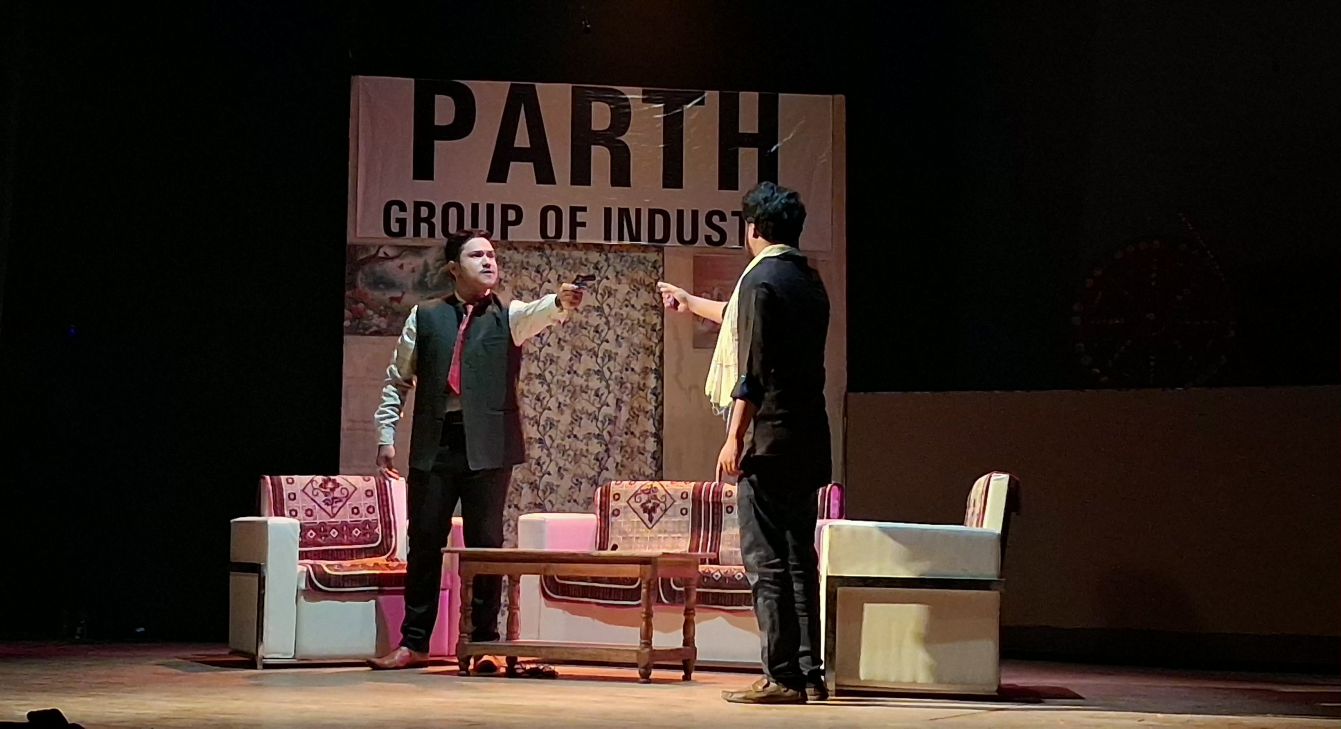
Coming to know that Partha is his brother, Surya goes to the factory to meet him. Without knowing his intention, Partha in a fit of rage, shoots Surya dead. The devastating truth reaches Partha too late, leaving him drowning in remorse.
By seamlessly integrating mythic characters with contemporary events, the play powerfully helps redefine present-day moral dilemmas and ethical conflicts.As the playwright notes, such integration compels audiences to reassess present-day values through the prism of timeless human suffering.
Director Dr. Prasanna Kumar Mishra, an experienced actor and theater practitioner with over a hundred performances to his credit, infused the production with depth, restraint, and theatrical finesse.
The artistes lived up to the expectation. Pranati Mallik delivered a nuanced portrayal of Kunti, Ranesh Kumar Patang impressed as Surya Prakash, Gourav Panigrahi embodied Partha’s internal turmoil fantastically, Mama Biswal added emotional depth as Krushna and Laxminarayan Acharya lent gravitas as a wicked-minded minister.
Pratap Rout’s evocative music and Rakesh Satapathy’s atmospheric light design further elevated the production.
The theatre lovers were found in their seats till the final curtain call-a clear testament to the play’s emotional impact and successful staging of the play.
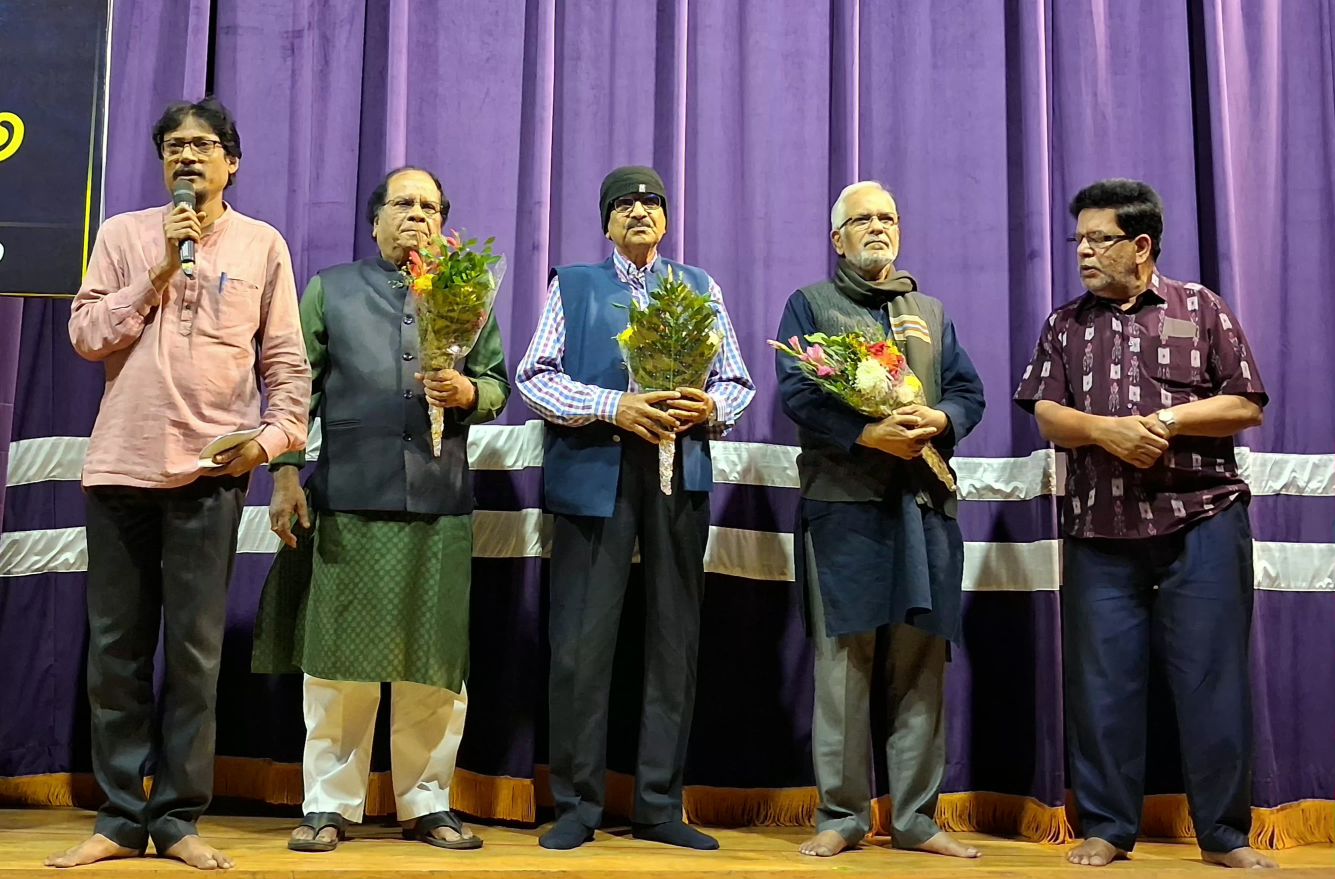
The guests who inaugurated the second evening were eminent playwright Prof Bijay Kumar Satpathy, theatre personalities Lalatendu Rath, Binayak Mishra and Haren Sahoo. Uttara Purusha’s secretary Debadatta Pati also shared the dais.
On the stage:
Prasanna Kumar Mishra, Lakshmi Narayan Acharya, Debadatta Pati, Ranesh Kumar Patang, Rupesh Kumar Mishra, Gaurav Panigrahi, Shatabdi, Soumya, Sai, Anil, Mama Biswal, and Pranati Mallik
Off the stage:
Music: Pratap RoutLight design: Rakesh SatapathyCostume and Makeup: MamaStage craft: Trimurti