Bhubaneswar: With the successful conclusion of its maiden two-day ‘Padmapada Dance Festival’ at Utkal Rangamanch, located on the premises of GKCM Odissi research Centre in Bhubaneswar, another name of festival has earned a place on Odisha’s vibrant cultural calendar.
The ‘Padmapada Dance Festival’, organized by Lotusfeet Foundation, an Odissi dance institution founded by young and talented Odissi dancer Gokulsree Dass, an ‘A’ grade Doordarshan artiste, celebrated the beauty and diversity of solo classical dance.
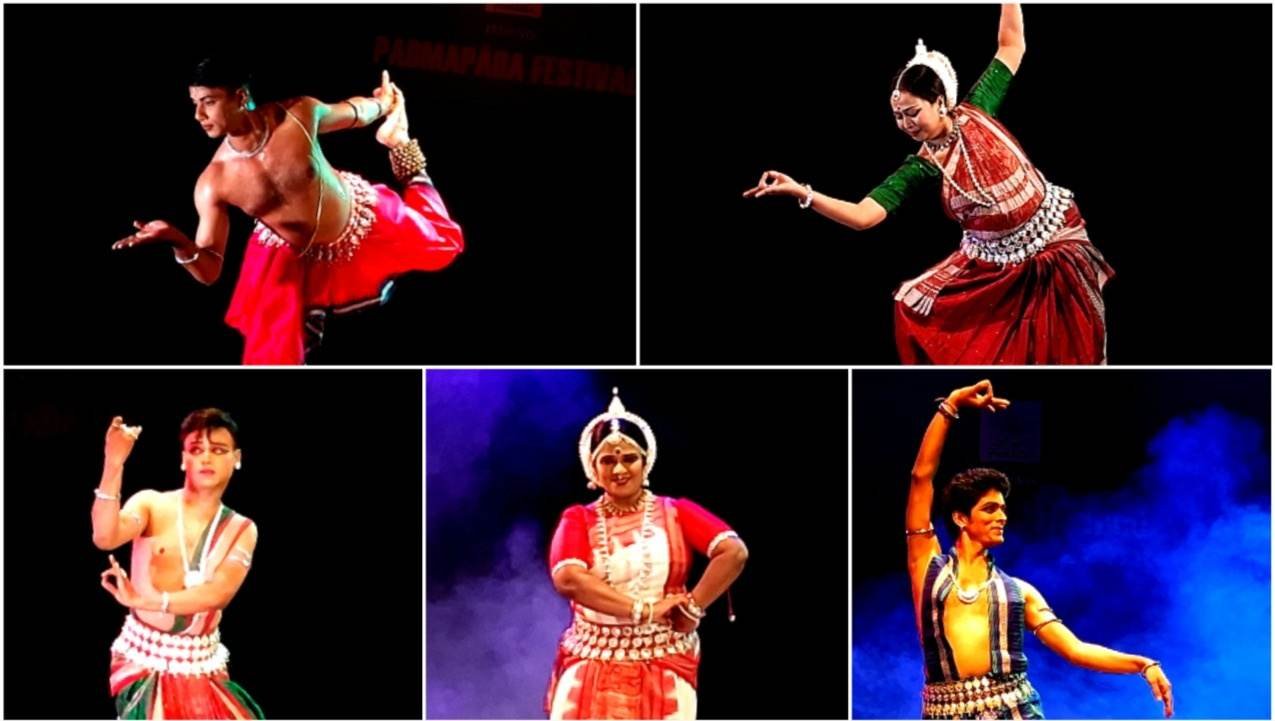
The festival held on November 9 and 10, featured an impressive line-up of 18 scintillating solo Odissi, Kuchipudi and Bharatanatyam dance performances, offering an engrossing viewing experience to art lovers.
Day 1
As dusk descended on Bhubaneswar, Utkal Rangamanch auditorium came alive with art enthusiasts occupying their seats well before the performances commenced. The enthusiasm in the auditorium set the tone for an evening steeped in artistic excellence.
The inaugural evening was graced by esteemed guests from the world of classical dance and music, including celebrated Mardala exponent Guru Dhaneswar Swain, Odissi vocalist Guru Sukant Kumar Kundu, Odissi dance exponents Guru Niranjan Rout, Guru Dr Gajendra Panda, Guru Smt Sikata Das and Guru Smt Minati Pradhan. They foprmally inaugurated the festival by lighting the ceremonial lamp.
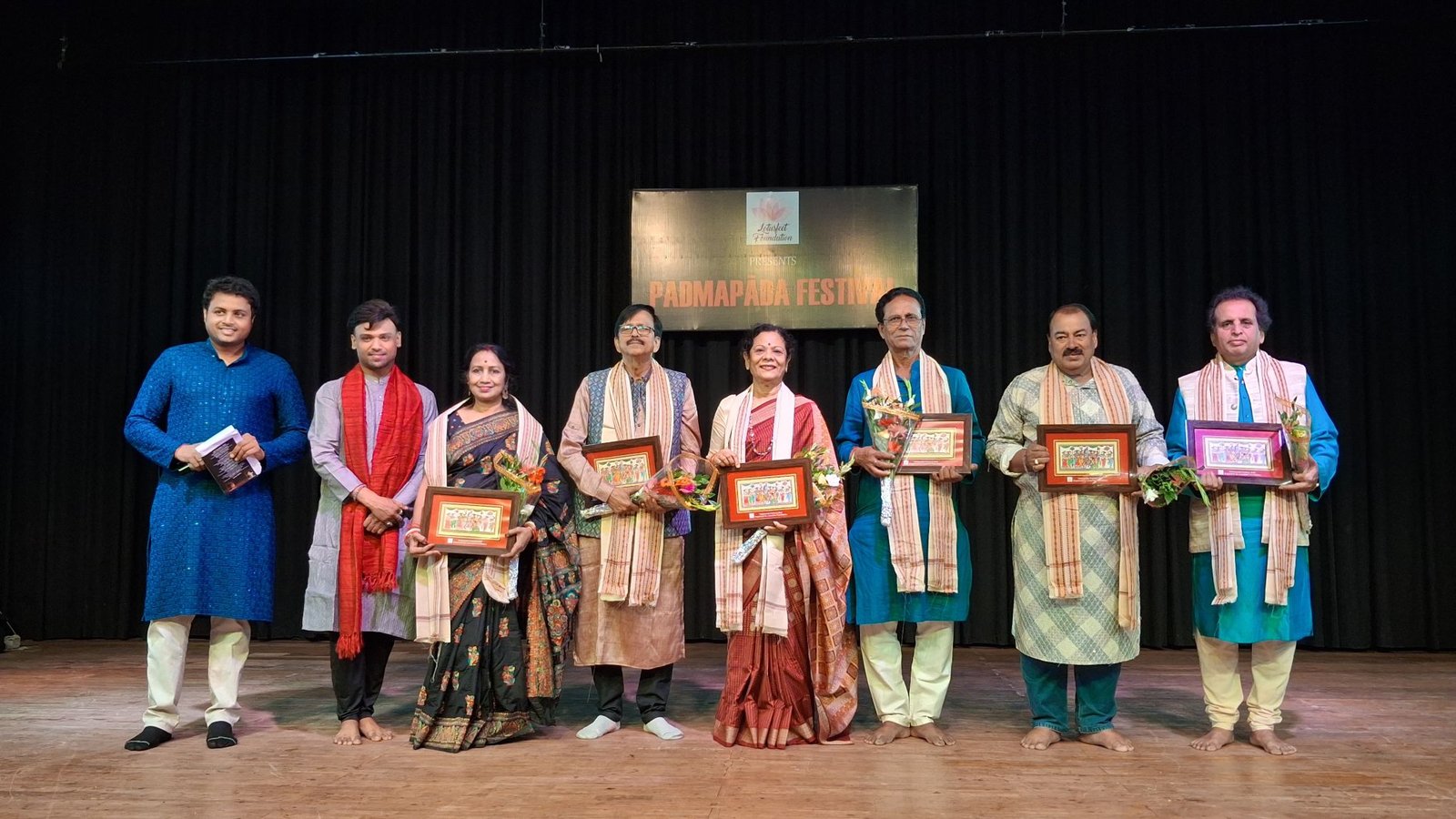
The guests heaped praise on Gokulsree for his unwavering commitment and dedication to preserving and propagating Odissi dance, particularly the Guru Deba Prasad Das style, and taking it to different corner of the world. They also wished the festival every success in the years ahead.
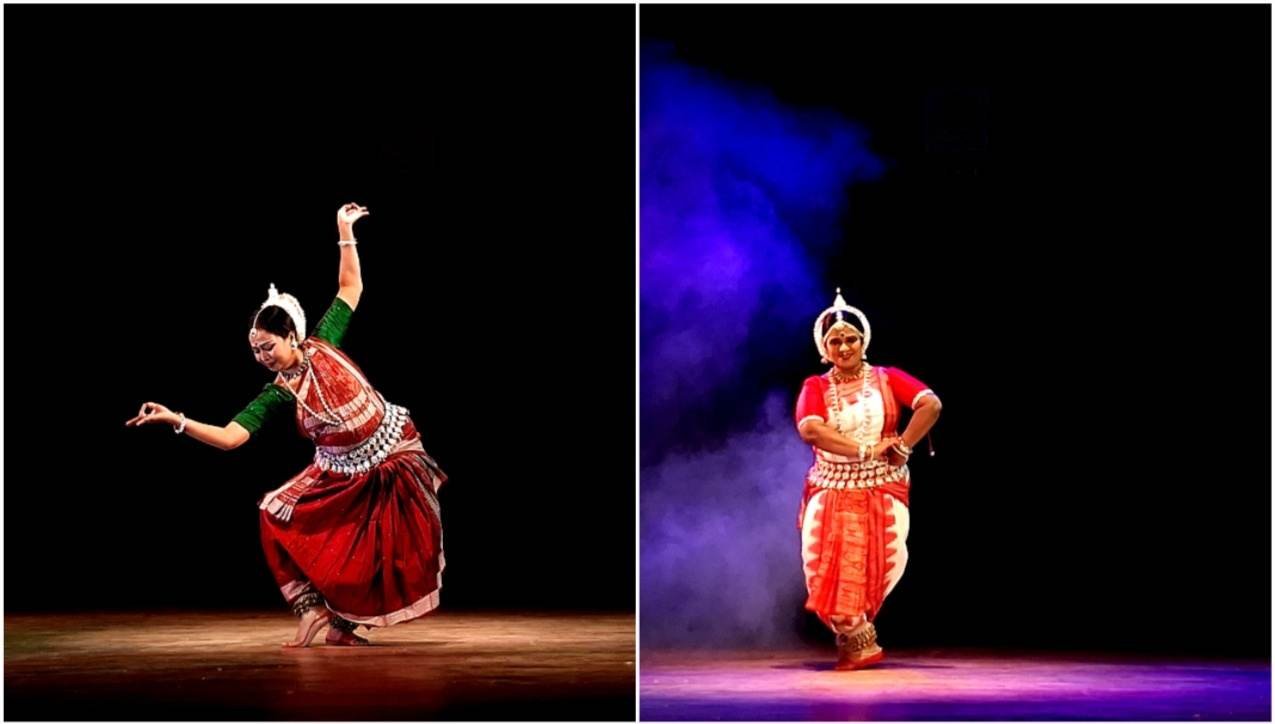
The evening got off to a fine start with ‘Biswa Prakasha’, an abhinaya based on the mystic poetry of Bhima Bhoi presented by Madhusmita Mohanty. Choreographed Padma Shri Guru Aruna Mohanty, the piece highlighted the artiste’s abhinaya skills.
From the word go, she had the audience in her thrall with her sculpted poses, nuanced expressions and remarkable command over abhinaya.
Keeping the momentum alive, Bipanchi Das, daughter of legendary Guru Deba Prasad Das presented ‘Kie Ki Mantra Karichhi’, which left the audience spellbound.
The spotlight was then shifted to a scintillating Kuchipudi recital ‘Neela Megha Sareera’, a tarangam by Manoj Kumar Muthukuri, a Visakhapatnam-based accomplished Kuchipudi and Kathak performer and founder-director of ‘Sveta Shriya Nrutya Kalangan’.
An M.A. in Kuchipudi, Manoj’s depiction of Lord krishna’s childhood exploits was a visual delight. His nimble footwork and effortless dancing on a brass plate were particularly captivating, instantly striking chord with the audience.
The following performer was Debarathi Saha, a disciple of Guru Madhurima Goswami. She presented ‘Nachanti Krushna’, a piece choreographed by her guru, where she portrayed Krishna joyfully dancing and playing with gopis. Her technical perfection fluid movements and expressive presentation reflected years of rigorous training.
The next performer to take the stage was Anita Khakha, a talented young Odissi dancer from Kolkata. A disciple of Guru Avirup Sengupta, Anita has also received guidance from Guru Ratikant Mohapatra, Guru Sujata Mohapatra and Rajib Bhattacharya.
Her presentation ‘Jaya Bhagabati’ bore testimony to her dedication and years of disciplined practice. As she was portraying the nine manifestations of Goddess Durga and their divine power and grace, the artiste immersed herself so completely in the character that she seemed to disappear, leaving the audience with the divine presence of the Goddess.
The sixth performer of the evening, Rini Bhowal, from Kolkata, brought years of experience and training to the stage. The founder of Kalakunja Dance Academy, Rini began learning Odissi dance from a tender age of three and trained under the watchful eyes of Guru Poushali Mukherjee, Guru Aloka Kanungo and Guru Rina Jana.
She presented ‘Mangalacharan’, followed by ‘Ram Stutee’, one of classic choreographies of Padma Vibhushan Guru Kelucharan Mohapatra. Her presentations were appreciated by the audience.
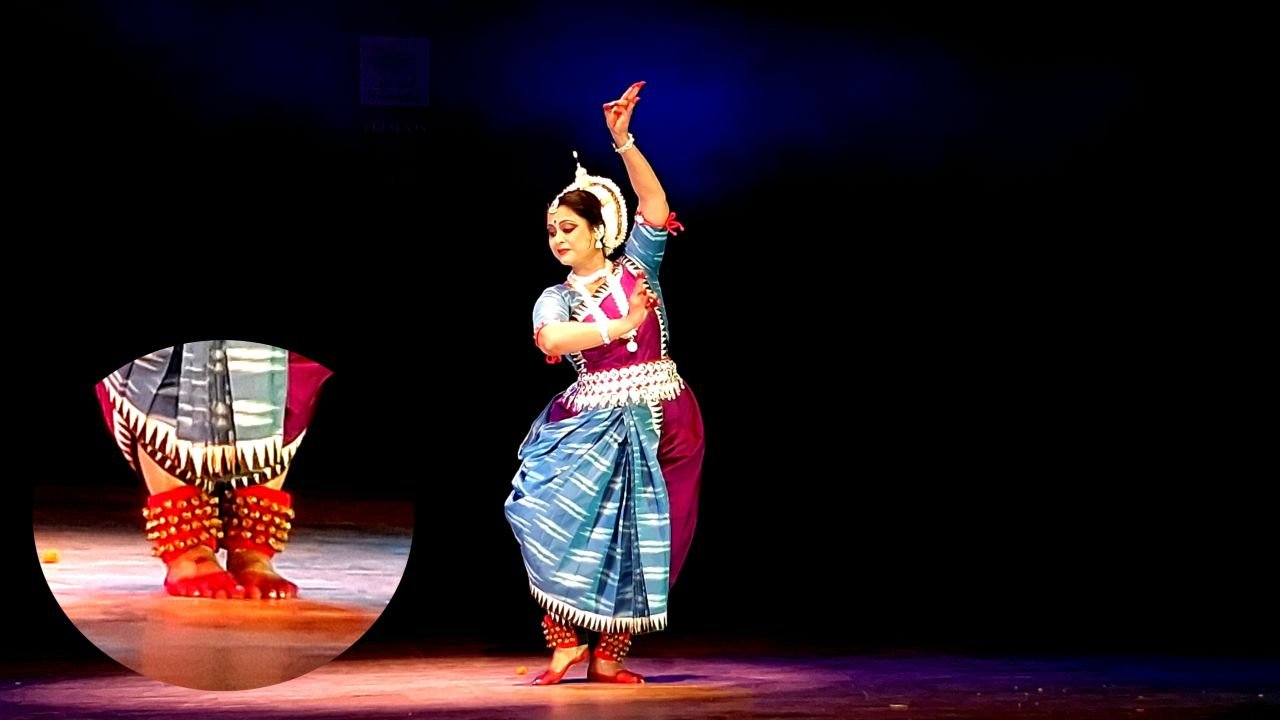
But, at the same time, her using the ankle bells, traditionally associated with Bharatanatyam rather than Odissi, was a noticeable aspect of her presentation and invited some discussion among art aficionados.
Adding further variety to the evening was young Bharatanatyam dancer Debanjana Tripathy, a disciple of Guru Kalpana Senthil Kumar. Her presentation ‘Natesh Kauthvam’ explored the different aspects of Lord Shiva. Debanjana’s fluid movements, graceful footwork and expressive storytelling made for a visually delightful performance.
Young Odissi dancer Anupam Mishra, a disciple of Guru Smt Banita Bhanja, took to the stage. He presented Mangalacharan ‘Kali Stutee’, choreographed by Guru Deba Prasad Das and dance direction by Guru Smt Banita Bhanja. The composition explored the different manifestations and attributes of Goddess Kali.
The penultimate presentation of the evening was an evocative abhinaya ‘Aja Mun Dekhili’, presented by Rajanigandha Rout and choreographed by Padma Shri Guru Durga Charan Ranbir. She instantly struck a chord with the audience with her impeccable abhinaya skills.
The evening drew to a memorable close with a mesmerizing Bharatanatyam abhianay piece ‘Hari Tum Haro Jan Ki Peer’, a Meera Bhajan, by Dr Satyajit Debnath, a disciple of Guru Smt Roja Kanan and Guru Smt K Madhavi. He succeeded in bringing alive the episodes like ‘Draupadi Cheer Haran’, ‘Hiranyakashipu Vadha’ and ‘Gajendra Moksha’ with remarkable precision and expressive depth.
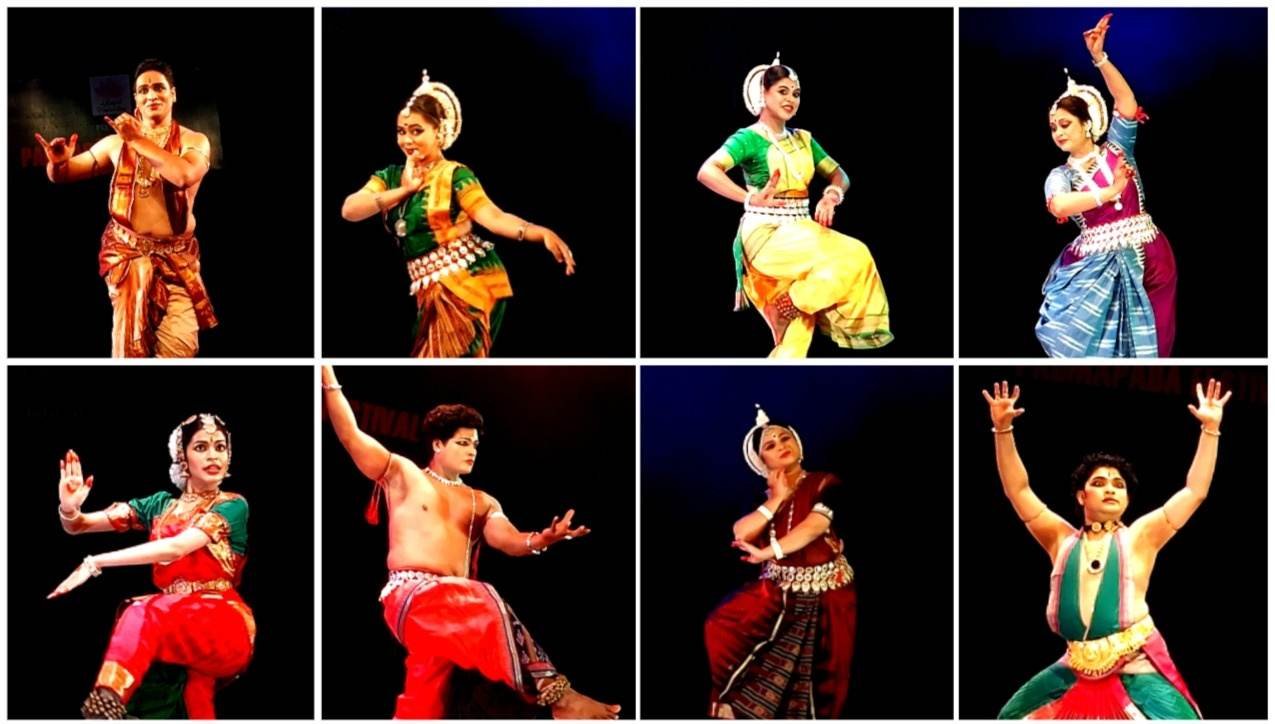
The fact that the audience remained glued to their seats until the final presentation spoke volumes about the quality of the presentations and the enthusiasm generated by the festival.
Day 2
The concluding evening was equally spellbinding with Ekamra MLA Babu Singh, vice president, BJP, Odisha, Golak Mohapatra, Odissi dance exponent Guru Dr Snehaprava Samantaray, eminent vocalist Guru Sangita Gosain, Odissi dance exponent Guru Sujata Mohapatra gracing the occasion.
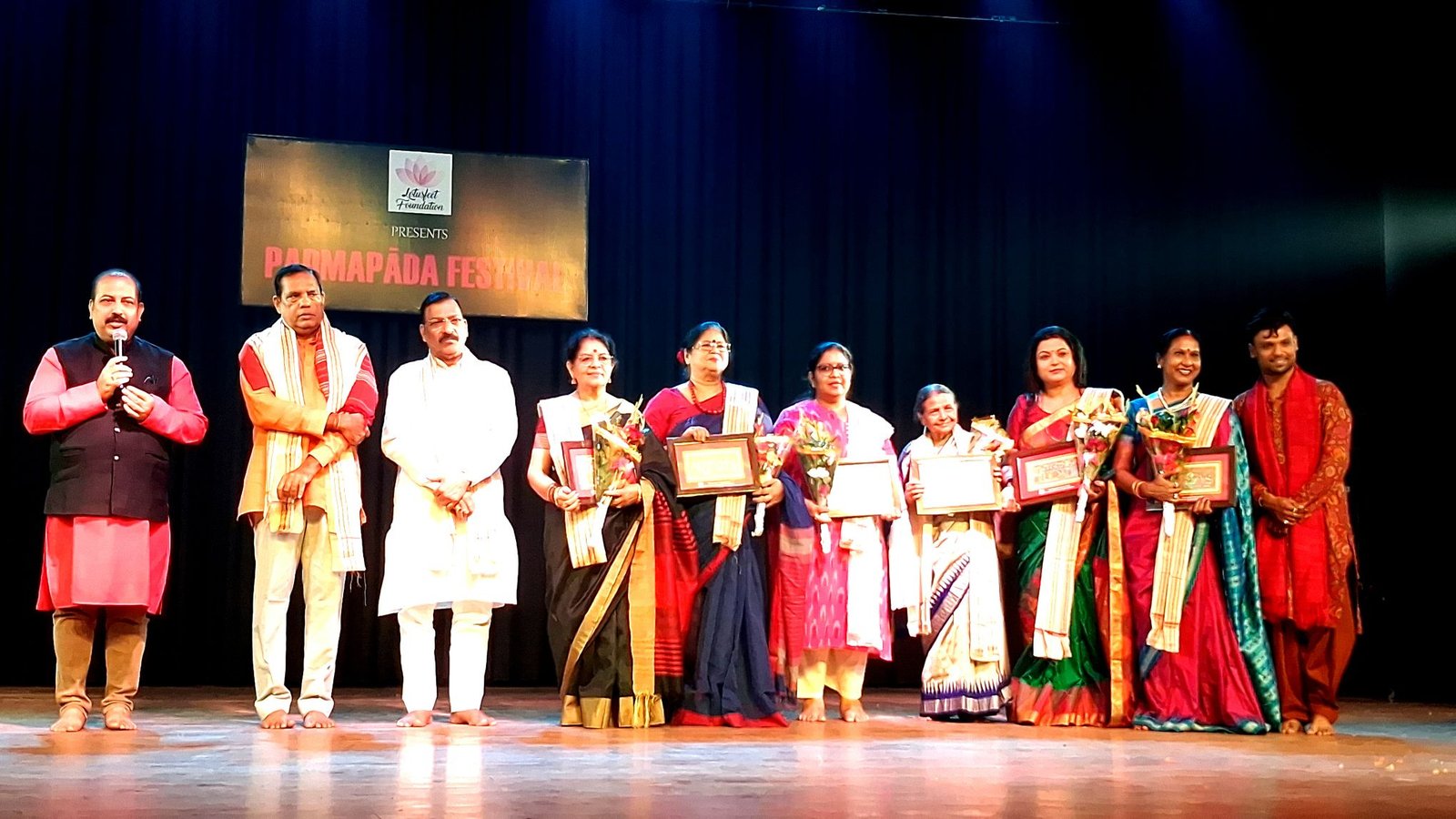
The dignitaries inaugurated the evening by lighting the ceremonial lamp and showered their blessings on Gokulsree Dass, wishing him and the festival continued success.
The evening opened on an auspicious note with ‘Suryastaka’, an evocative presentation by acclaimed Odissi soloist Rahul Acharya. A disciple of Padma Shri Guru Durga Charan Ranbir, Rahul holds the distinction of being the first male Odissi dancer to receive Ustad Bismillah Khan Yuva Puraskar. Choreographed by Padma Shri Durga Charan Ranbir, with music composed by Pandit Ramhari Das and rhythm by Mardala exponent Niranjan Patra, the piece celebrated the Sun God as the ultimate source of life and energy.
It was quite appropriate for Rahul to begin the performance with ‘Surya Namaskar’. A nice blend of yogic postures, balanced movements and intricate footwork made Rahul’s presentation a visual treat for the art lovers.
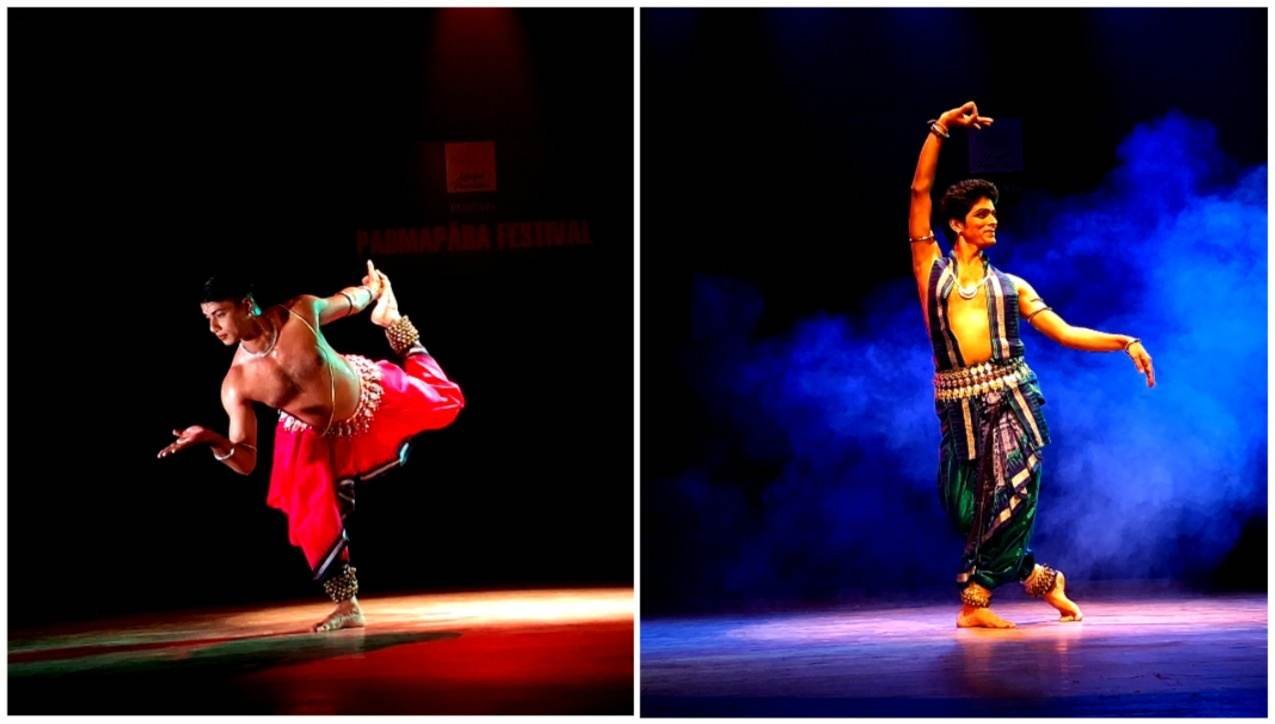
After setting the bar high, Rahul passed the baton to Soumya Bose, a disciple of Guru Sujata Mohapatra.
Soumya commenced his recital with ‘Patadeep Pallavi’, choreographed by Guru Ratikant Mohapatra and followed it with an abhinaya ‘Ahe Nila Saila’, one of classic choreographies of legendary Padma Vibhushan Guru Kelucharan Mohapatra. He had the audience engaged with neat execution, graceful movements and expressive presentation.
The next performer was Rajashree Das, a disciple of Guru Smt Prativa Panda. She presented ‘Shiva Stutee’ and an abhinaya ‘Mohane Deli Chahin’, both choreographed by Padma Shri Durga Charan Ranbir. Rajashree’s immaculate expressions and body movements brought out the essence of both compositions, earning warm appreciation.
Vidisha Priyadarshinee, a disciple of Guru Swayamprajna Sahoo, presented ‘Kie Lo Sajani Keli Kadamba Mule’. Choreographed by Padma Shri Guru Durga Charan Ranbir and music composed by Guru Sukant Kumar Kundu, the presentation reflected the artiste’s command over the nuances of Odissi.
The art lovers were then treated to a captivating solo Odissi recital ‘Devi’ by Aishwariya Mohanty, a disciple of Guru Niranjan Rout. Choreographed by Guru Niranjan Rout and music composed by Guru Ramhari Das, the piece explored the many manifestations of Goddess Durga. Aishwariya brought out the divine power and grace of the Goddess with conviction.
The festival’s founder, Gokulsree Dass, then took the stage with an abhinaya, ‘Kie Lo Sajani Keli Kadamba Mule’. Though the same item was earlier presented by Vidisha Priyadarshinee, Gokulsree gave it his own distinctive interpretation.
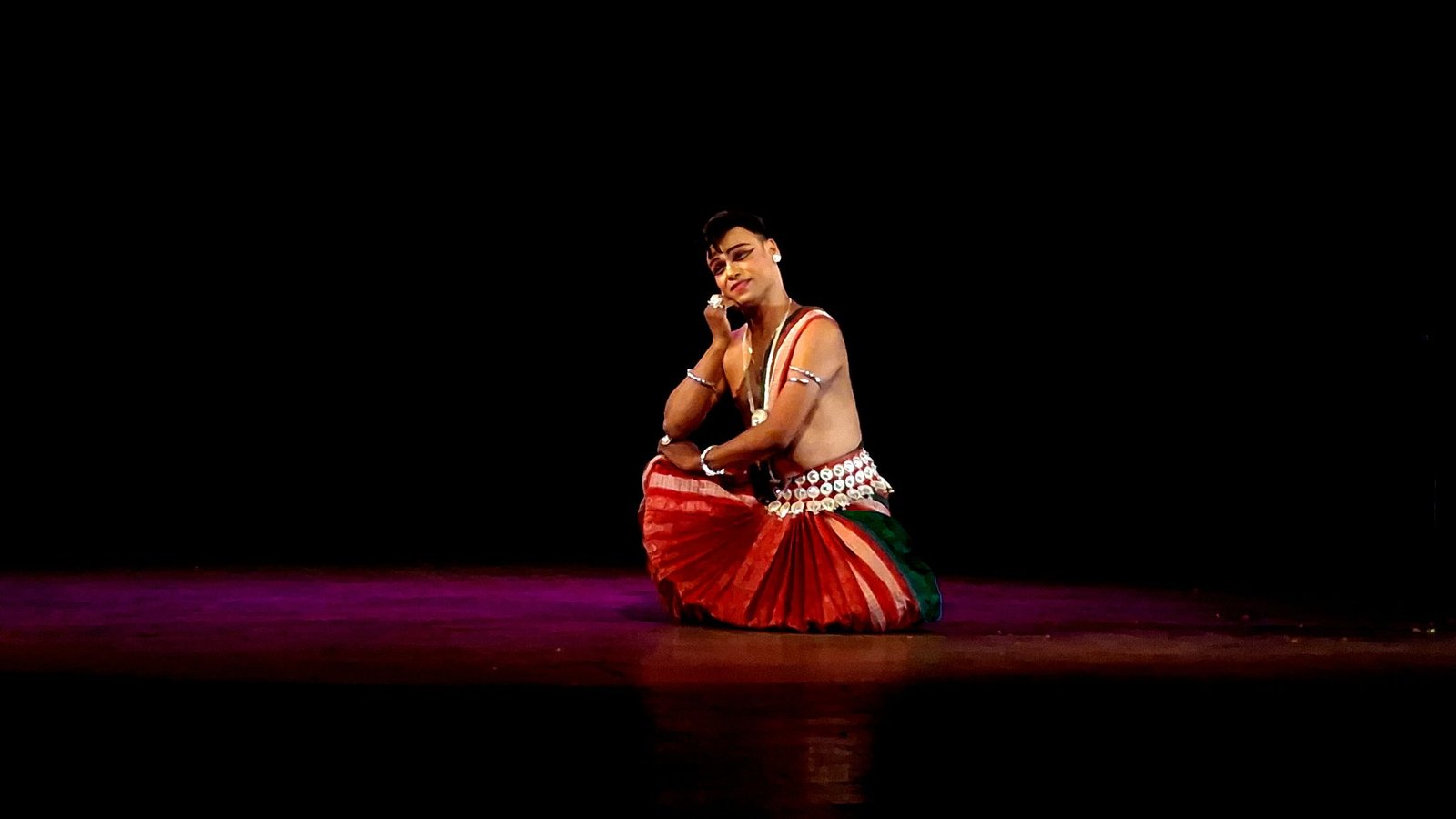
His impeccable expressions, deft body movements and astute use of stage space lent the presentation a distinct appeal. His performance ticked all the boxes of a well-rounded classical dance recital.
The penultimate performer of the evening was Shraddha Suman Rath, a disciple of Guru Smt Sasmita Mohanty. She performed ‘Astasambhu’, choreographed by Guru Deba Prasad Das. The presentation explored the eight manifestations of Lord Shiva. Shraddha’s performance added another engaging dimension to the evening.
The festival finally drew its curtains with ‘Mina Nayana’, a spellbinding performance by Roopak Boitei, a disciple of Gokulsree Dass. Choreographed by Guru Deba Prasad Das and direction by Gokulsree Dass, the composition brought out the beauty of Radha and her profound affection for Krishna.
Roopak’s expressive presentation and command over abhinaya provided a fitting finale to the two-day celebration.
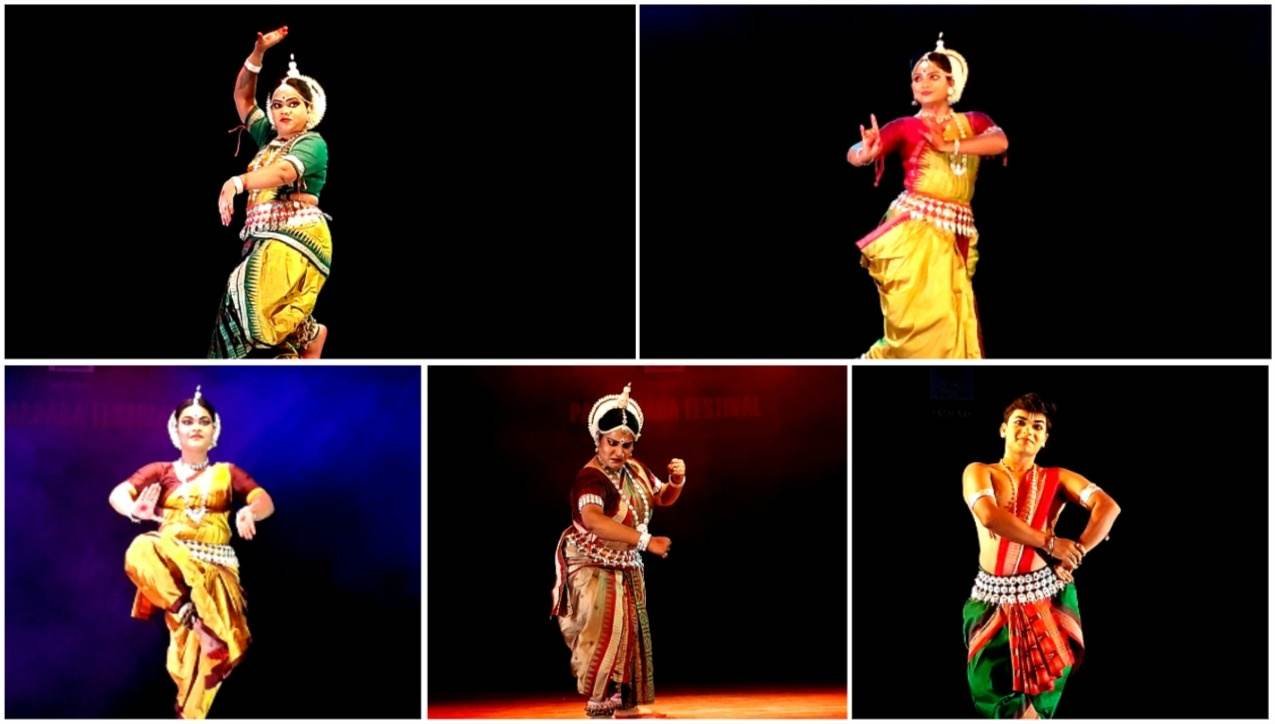
The performances across both evenings were greeted with spontaneous applause, reflecting the audience’s appreciation and suggesting that the artistes had been carefully selected and lived up to expectations.
Biswaranjan Baliarsingh was the anchor of the inaugural evening, while Dr Mrutyunjay Rath was the emcee of the concluding evening.
What made the festival particularly noteworthy was its emphasis on solo classical dance recitals. Gokulsree Dass appears keen to provide a dedicated platform for solo artistes, allowing them to showcase their individual strengths and artistic interpretations.
Gokulsree’s ‘Lotusfeet Foundation’ also organises another festival ‘Abhijaat’ where an entire evening is devoted to a single solo performer. This emphasis reflects Gokulsree’s belief in the depth, discipline and artistic possibilities of solo classical dance.
At the tender age of three when most children are busy playing with toys, Gokulsree was drawn to the enchanting sound of ankle bells and the graceful movements of Odissi dance. What began as childhood fascination gradually blossomed into an abiding passion.
He initially trained under Padma Shri Guru Durga Charan Ranbir, and subsequently received guidance from Guru Sangeeta Dash and Guru Dr Sujata Mishra.
An engineer by qualification, Gokulsree initially pursued a professional career. However, his love for Odissi eventually proved stronger than the lure of a lucrative job. He left his well-paying engineering position in Bengaluru to follow his heart and devote himself to dance.
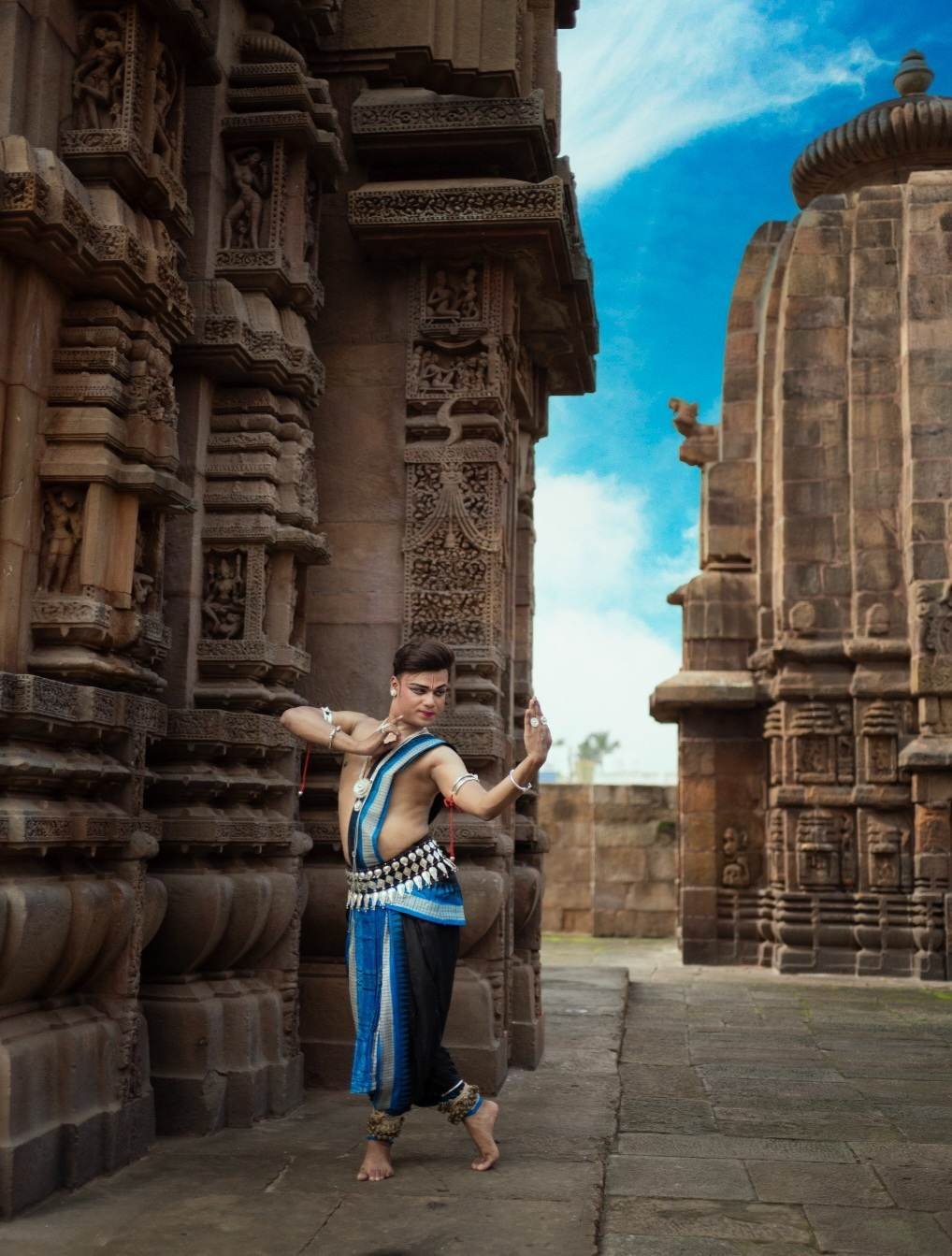
An ‘A’ grade Doordarshan artiste, Gokulsree has carved a niche for himself in the Odissi fraternity, particularly through his commitment to the Guru Deba Prasad Das style.
His performances at prestigious festivals in India and abroad have helped him take this distinctive tradition to wider audiences.
He has performed at several prestigious festivals in India and abroad including 10th Guru Deba Prasad das Award Festival (Bhubaneswar, 2025), Adiguru Pankaj Charan Das Festival (Bhubaneswar, 2016), International Odissi Dance Festival (Bhubaneswar; 2014, 2026 and 2020), Nartakh Festival (Bangalore, 2025), Ustad Kale Khan Sangeet Samaroh (Jaip0ur, 2022), 22nd Uday Shankar Dance and Ballet Festival (Jaipur, 2017), Parthasarathy Gana Sabha (Chennai, 2016).
His artistic journey has also been adorned with several honours and recognitions, including Junior Fellowship by CCRT, Nrutyana Prativa Samman, Naatya Pravin Award, Sandipani Sangeet Ratna Samman, Senior National Scholarship, Yuva Kalarathna Award, to name a few.
If the inaugural edition is any indication, Padmapada Dance Festival has all the ingredients to grow into a significant fixture on Odisha’s classical dance calendar.
For Gokulsree, it is perhaps another step towards fulfilling his larger mission: keeping the rich legacy of Odissi alive while taking it to newer audiences and generations.