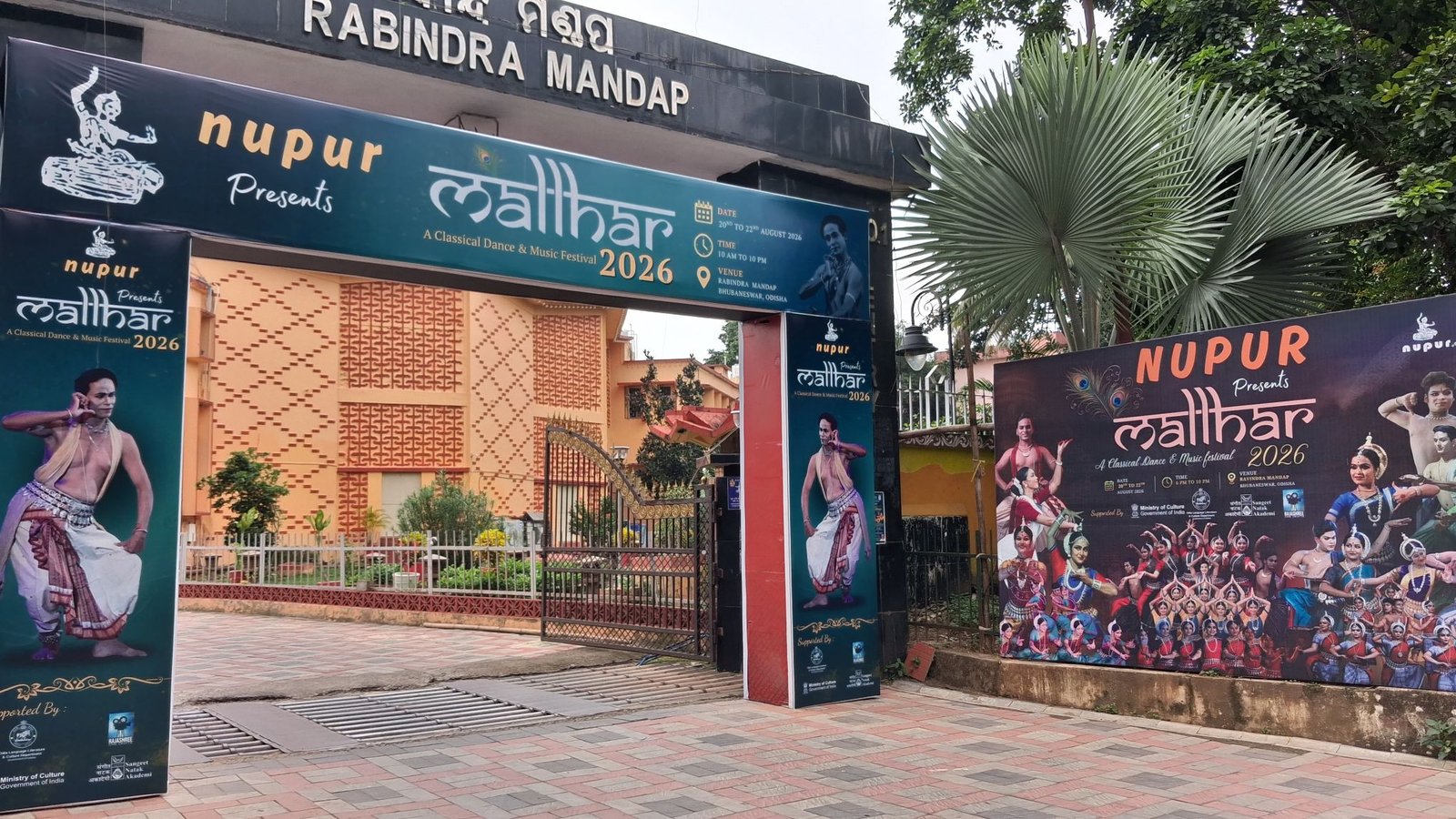
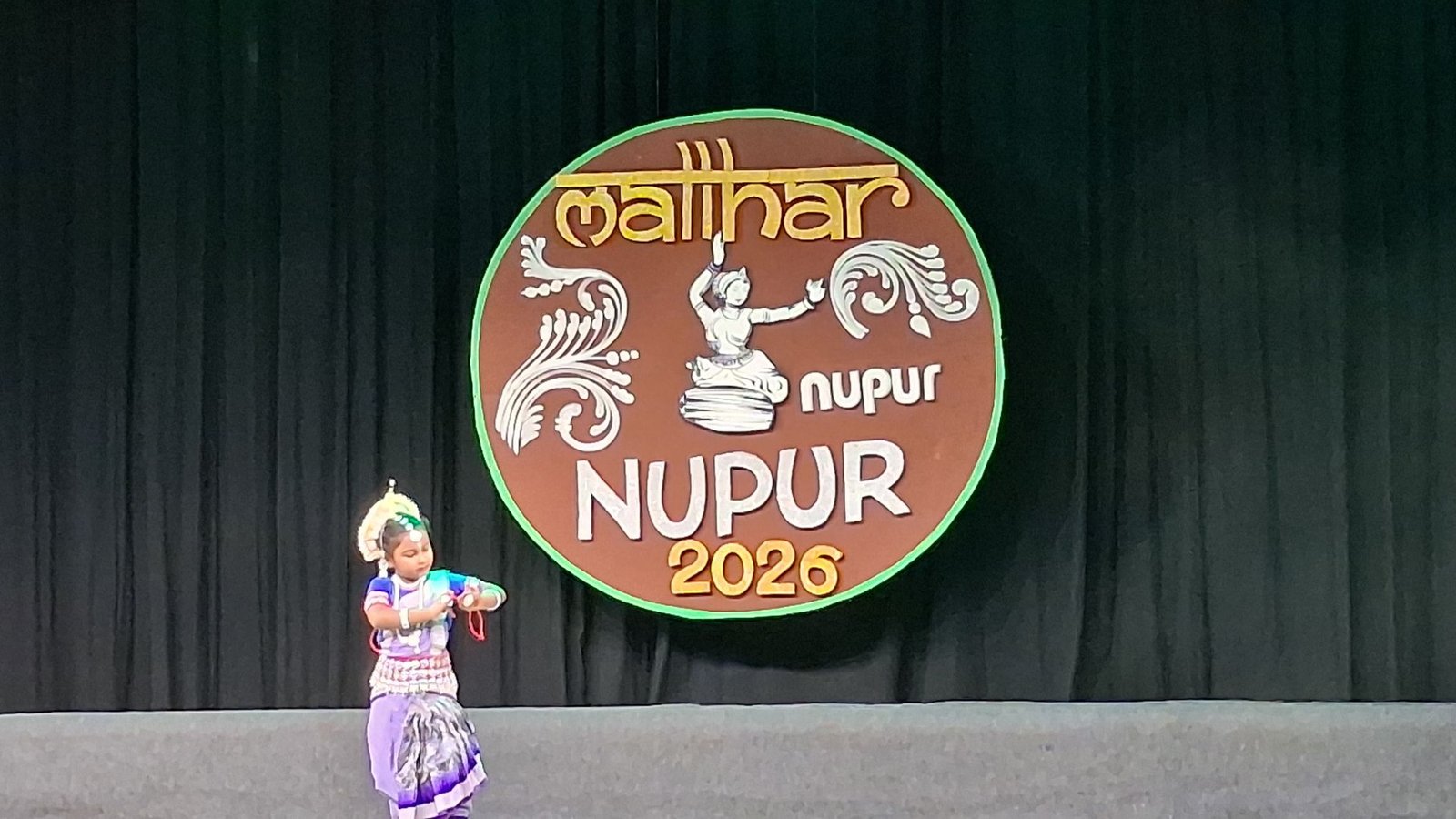
Bhubaneswar: At a time when the Odisha government is making a concerted push for the use of Odia language, one of the oldest dance institutions in the state that organised its three-day festival at Rabindra Mandap here used English everywhere, on the gates, on its posters, on standees, on the backdrop of the stage and even on its invitation card.
Nupur, an Odissi dance institution founded by an SNA awardee Odissi dance guru in 1991, hosted three-day Mallhar Festival on August 20, 21 and 22.
Bhubaneswar hosts two to three festivals almost every day, ramhimng from dance and music to theatre. Most organisers routinely use bilingual banners and posters, ensuring that Odia and English share the stage.
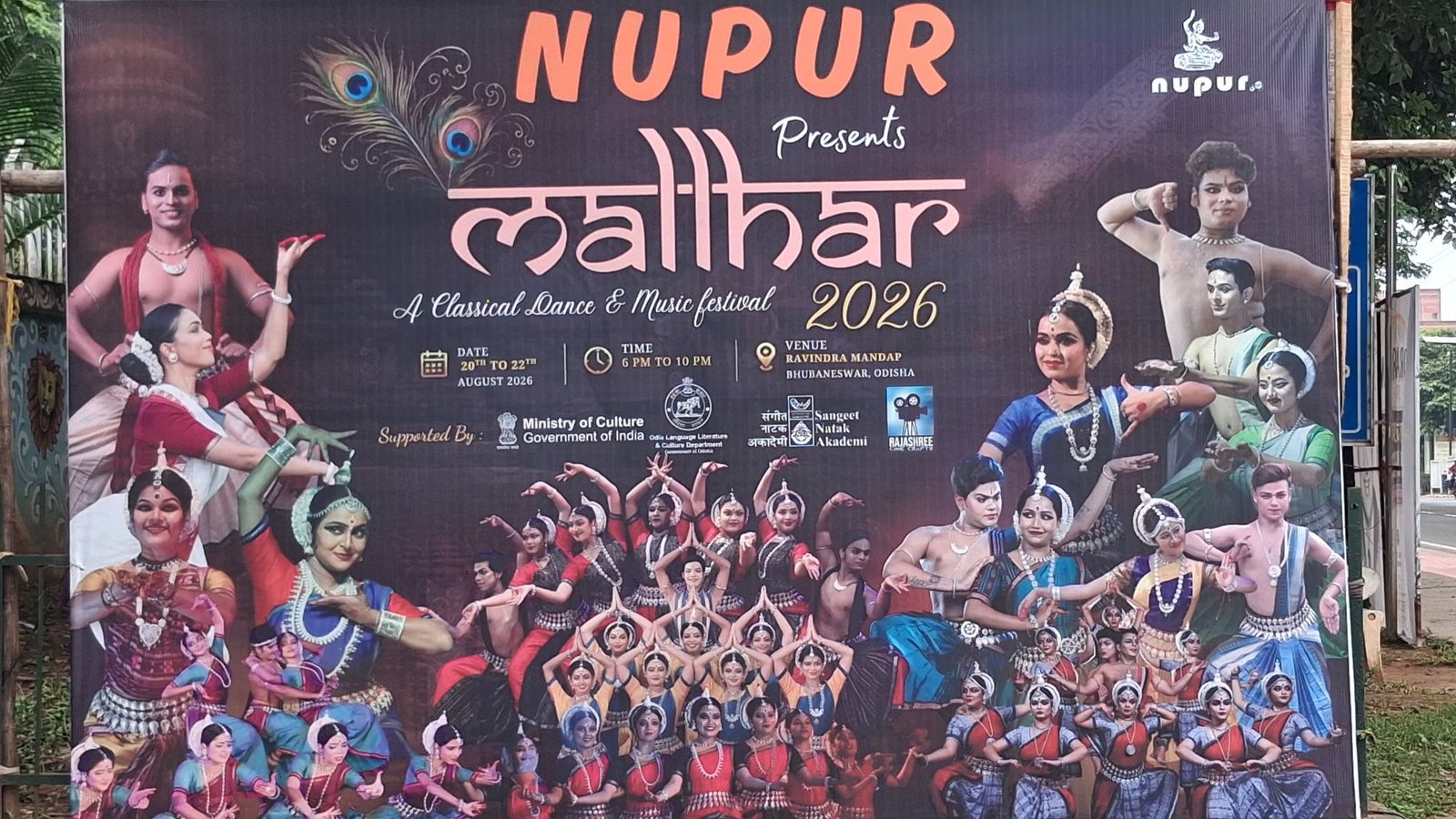
But some cultural organisations, while proudly presenting themselves as custodians of Odia culture and heritage, seem to have little regard for the language itself.
And it was never expected from an old institution like Nupur, led by a senior guru.
What has further ruffled feathers is the fact that such organisations receive sponsorship from the state’s Odia Language, Literature and Culture Department, apart from some private organisations.
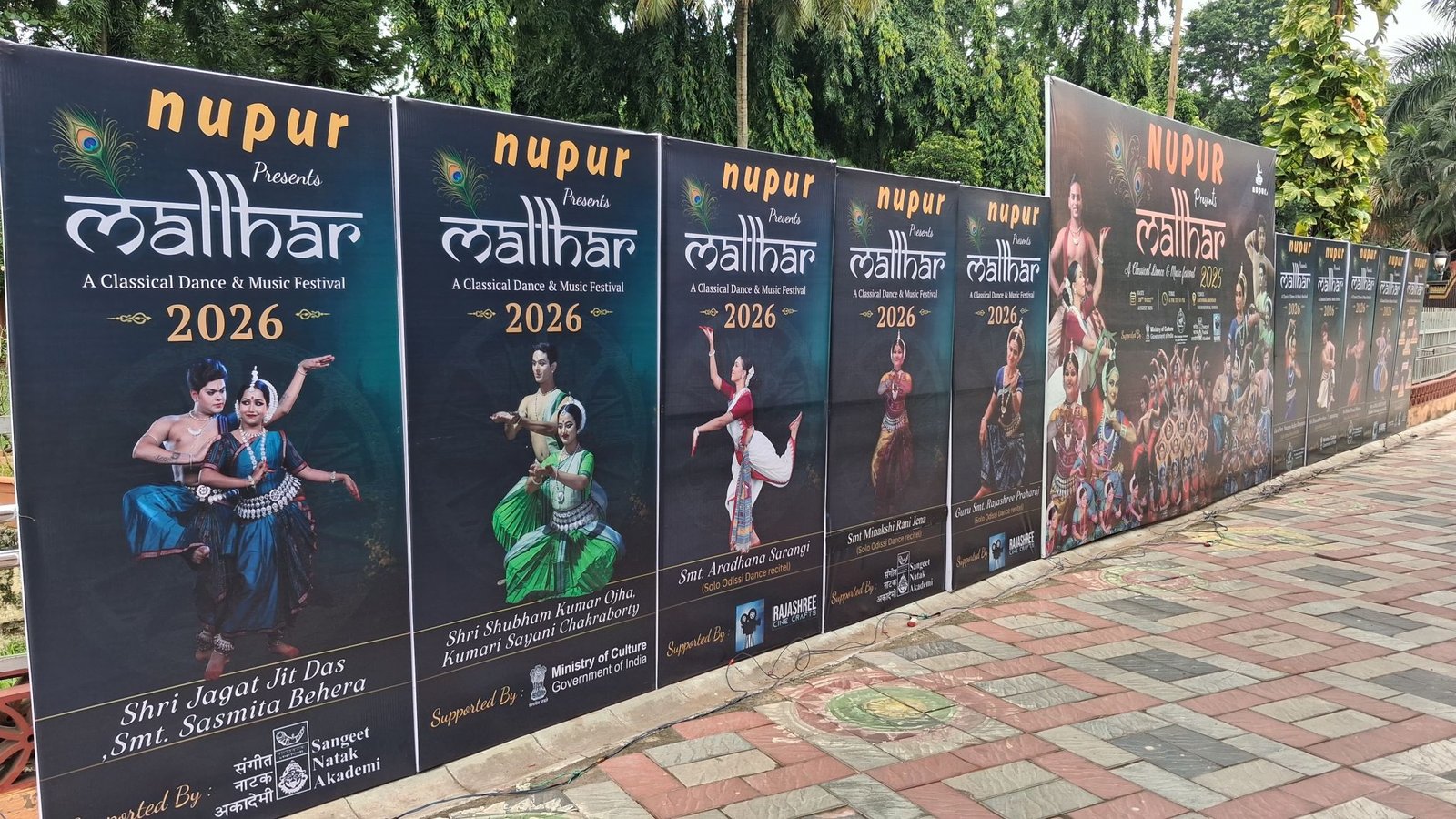
The issue has struck a raw nerve among cultural enthusiasts and researchers, with some even calling for government funding to such institutions to be reconsidered.
“I am surprised to see the mindset of such institutions. They live in Odisha, organise festivals in Odisha and perform to Odia songs. They make their living, in a way, from Odia culture and language, yet appear least concerned about promoting the language,” said Bishwa Odia Paribar chairman Sajjan Sharma.
He demanded that government funding to institutions that disregard Odia should be stopped.
When contacted, Odisha Sahitya Akademi secretary Dr Chandrasekhar Hota, who is also in additional charge of Odisha Sangeet Natak Akademi, said, “The government has repeatedly been urging people to use Odia on posters, banners and signboards. But, love for one’s mother tongue must come from within.”
He urged cultural organisations to show greater respect for Odia language and use bilingual banners and posters.
For a state that wears its cultural heritage on its sleeve, the question is simple: if those who champion Odia culture disrespect Odia language, then what will others do?