Kolkata: Launched nine years ago, ‘Prerona’, an Indian dance festival, organised by ‘Malashree’, an institution for Excellence in Cultural Pursuits, continues to go from strength to strength. Over the years, the festival has carved out a niche for itself in the country’s cultural landscape, bringing together some of India’s finest classical dance traditions and artistes.
Headed by renowned Kathak expert Guru Smt. Sampita Chatterjee & eminent Odissi danseuse Guru Dr. Arpita Venkatesh, ‘Malashree’ has a legacy spanning over 26 years, remaining steadfast in its commitment of preserving and promoting cultural activities through training and demonstration. It offers excellent training facilities and personalized grooming in Odissi and Kathak, whiel also nurturing practitioners of ‘Rabindra Nritya’, ‘Loka Nritya’ and other creative forms.
Since the announcement of the ninth edition of ‘Prerona’, it had already set the stage for considerable excitement among Kolkata’s art lovers.
On September 16, as the sun dipped below the horizon of the City of Joy, the Gyan Manch auditorium came alive with an air of eager anticipation, with art lovers arriving in droves.
The evening witnessed esteemed guests Dr Haimanti Chattopadhyay, secretary of West Bengal State Academy of Music, Dance and Drama, and eminent Odissi dance exponent Guru Rina Jana inaugurating the festival by lighting the ceremonial lamp.
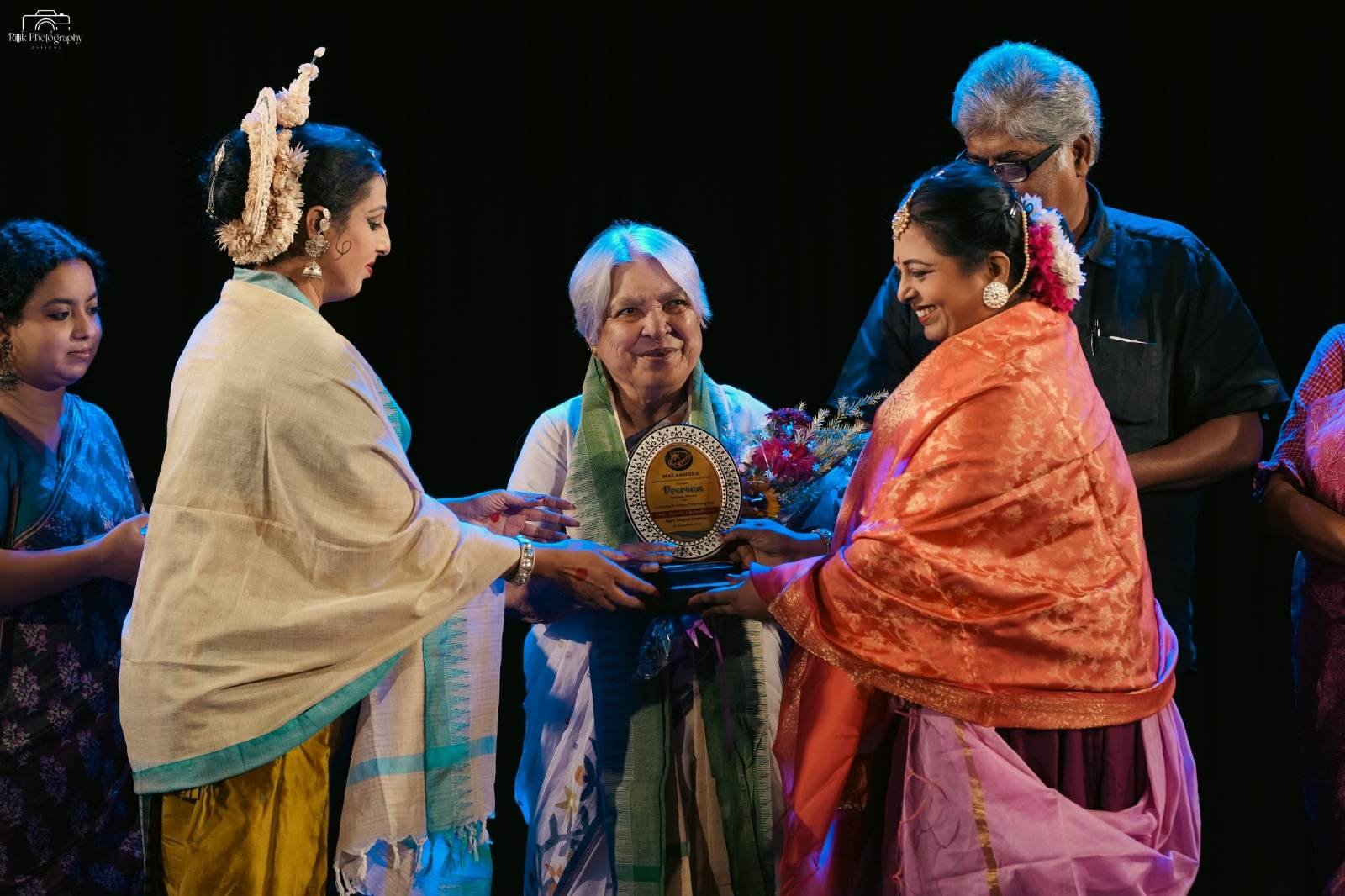
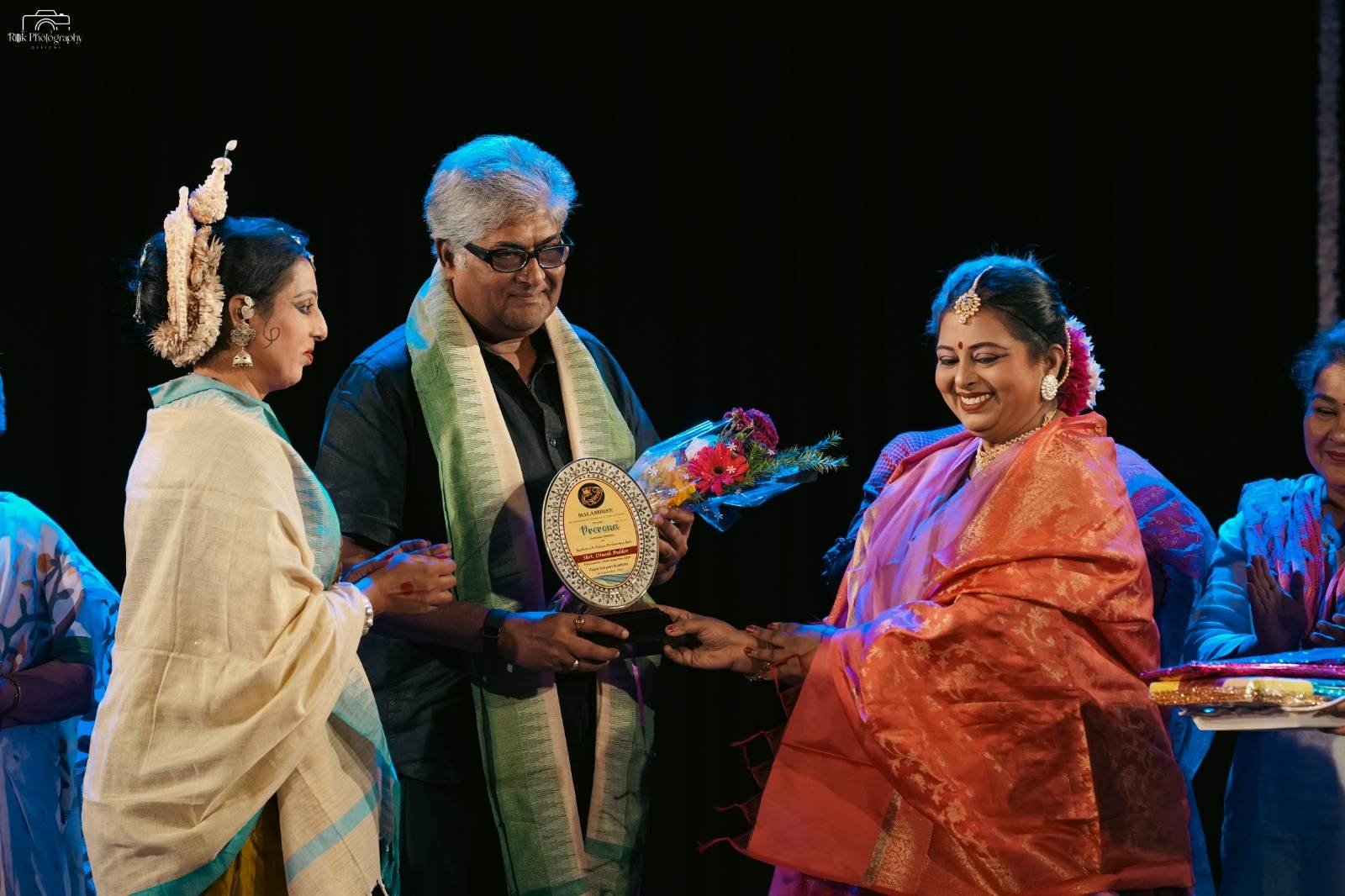
The occasion also saw the felicitation of Sangeet Natak Akademi 2026 awardees senior art critic Smt Tapati Chowdhurie and light designer and theatre personality Shri Dinesh Poddar were felicitated, recognizing their contributions to the art world.
In their addresses, the guests heaped praise on Guru Smt. Sampita Chatterjee & Guru Dr. Arpita Venkatesh for their unwavering dedication and wished a long and successful journey for the festival.
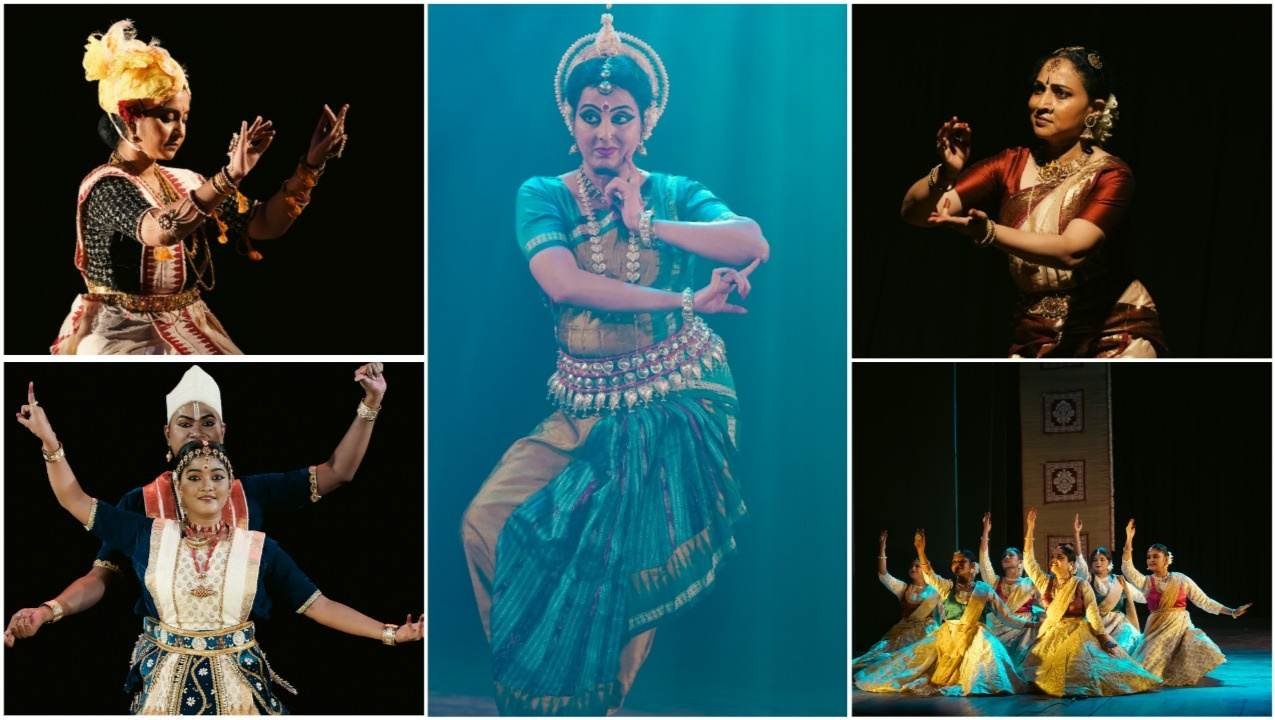
The cultural segment commenced with a group Odissi recital ‘Navagraha’. Composed and choreographed by Guru Dr. Arpita Venkatesh, music composed by Shri Himanshu Shekhar Swain and Shri Budhanath Swain, the piece explored the nine celestial influencers — Surya (Sun), Chandra (Moon), Mangala (Mars), Budha (Mercury), Guru (Jupiter), Shukra (Venus), Shani (Saturn), Rahu (North Lunar Node) and Ketu (South Lunar Node).
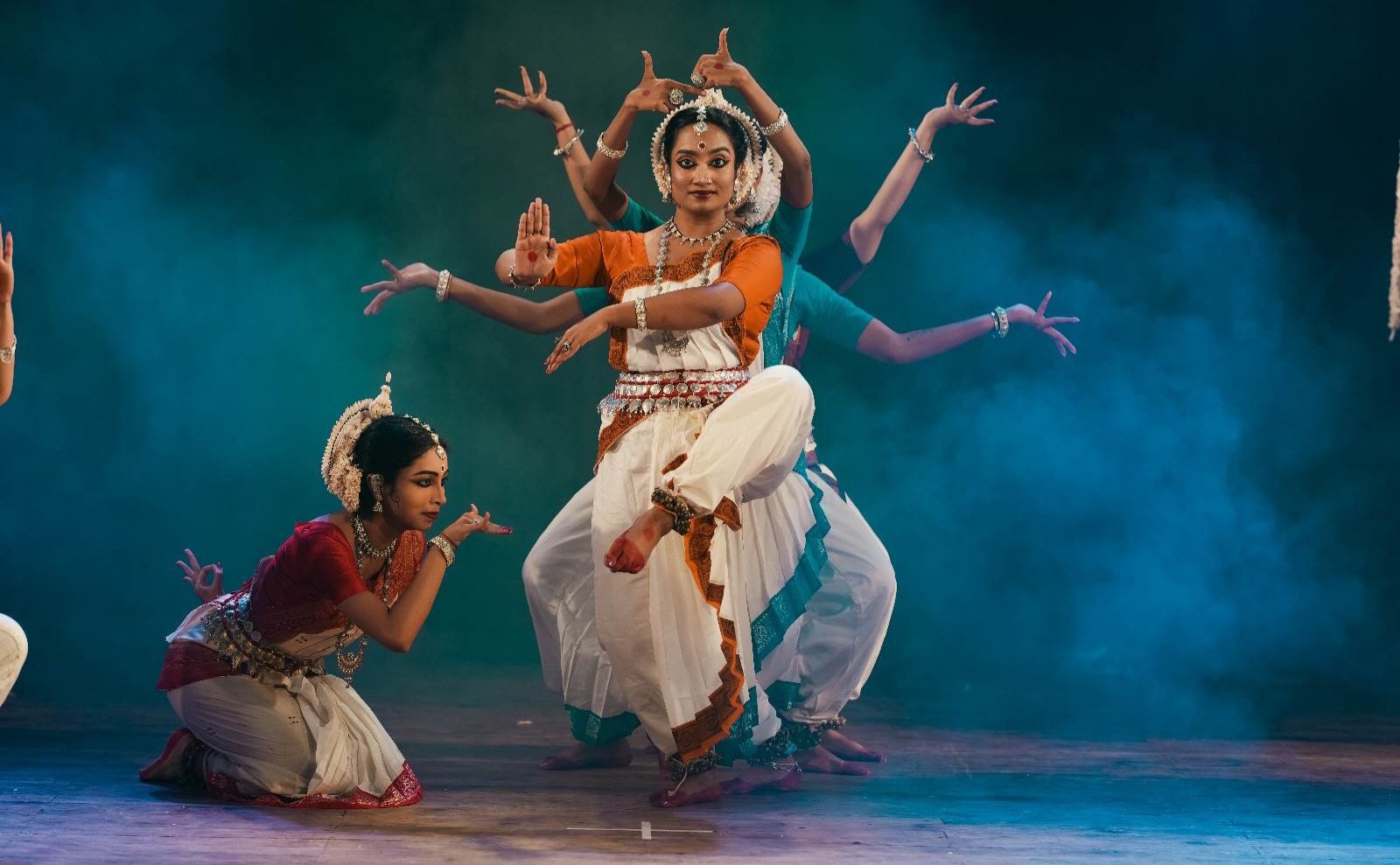

With subtle and calibrated movements and expressive abhinaya, 12 well-trained dancers of Malashree explored the traditional belief that these celestial forces influence human destiny, health and fortune.The piece drew a generous applause, suggesting it succeeded in striking a chord with the audience.
Keeping the momentum going, Guru Dr. Arpita Venkatesh took the stage with ‘Hamsadhwani Pallavi’.
‘Pallavi’, which literally means ‘blossoming’, is a pure dance where a raga unfolds through intricate and rhythmic footwork, lyrical body movements and graceful choreography.
Choreographed by legendary Odissi guru Padma Vibhushan Kelucharan Mohapatra, music composed by Pandit Bhubaneshwar Mishra, the piece provided ample scope for Guru Dr. Arpita Venkatesh to showcase her command over the idiom.
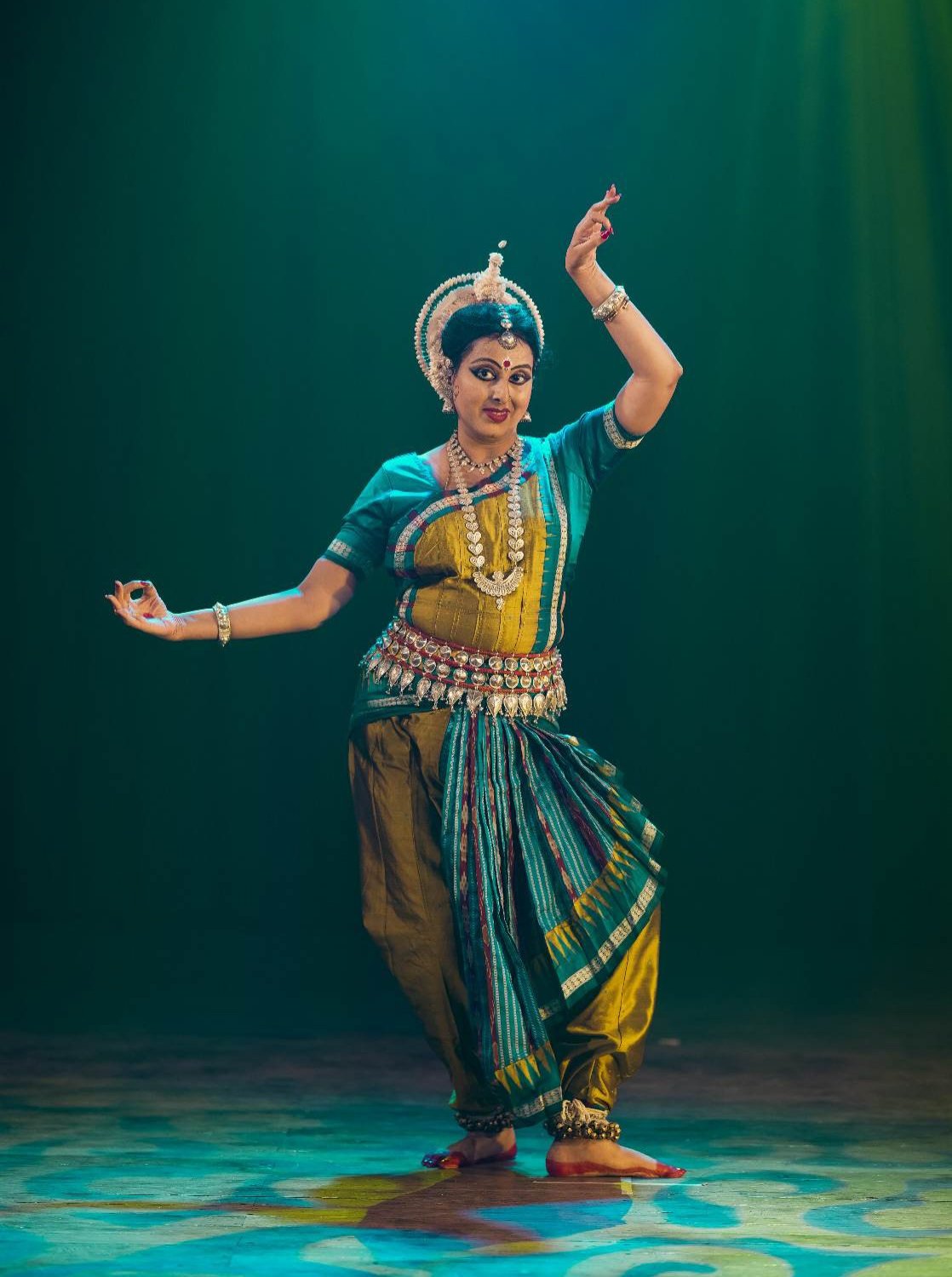
Her delicate footwork, lyrical body movements and impeccable expressions left the audience wanting more, culminating in a resounding round of applause.
Adding colour to the evening, the art lovers were treated to duet Sattriya dance recital by Guru Biraj Roy and disciple Rumi Debnath.
They commenced their performance with ‘Chali Naach’, a ‘Lasya Style’ performance set to ‘Thukuni’ and ‘Chuta’ Taal and choreographed by Sreemoyee Borah.
Emerging during the Ahom dynasty, ‘Rojaghoria Chali’ represents a stylistic evolution of the original ‘Chali dance’, influenced by royal patronage. It is structured around three sections: ‘Ramdani’, ‘Geetar Naach’, and ‘Mela Naach’.
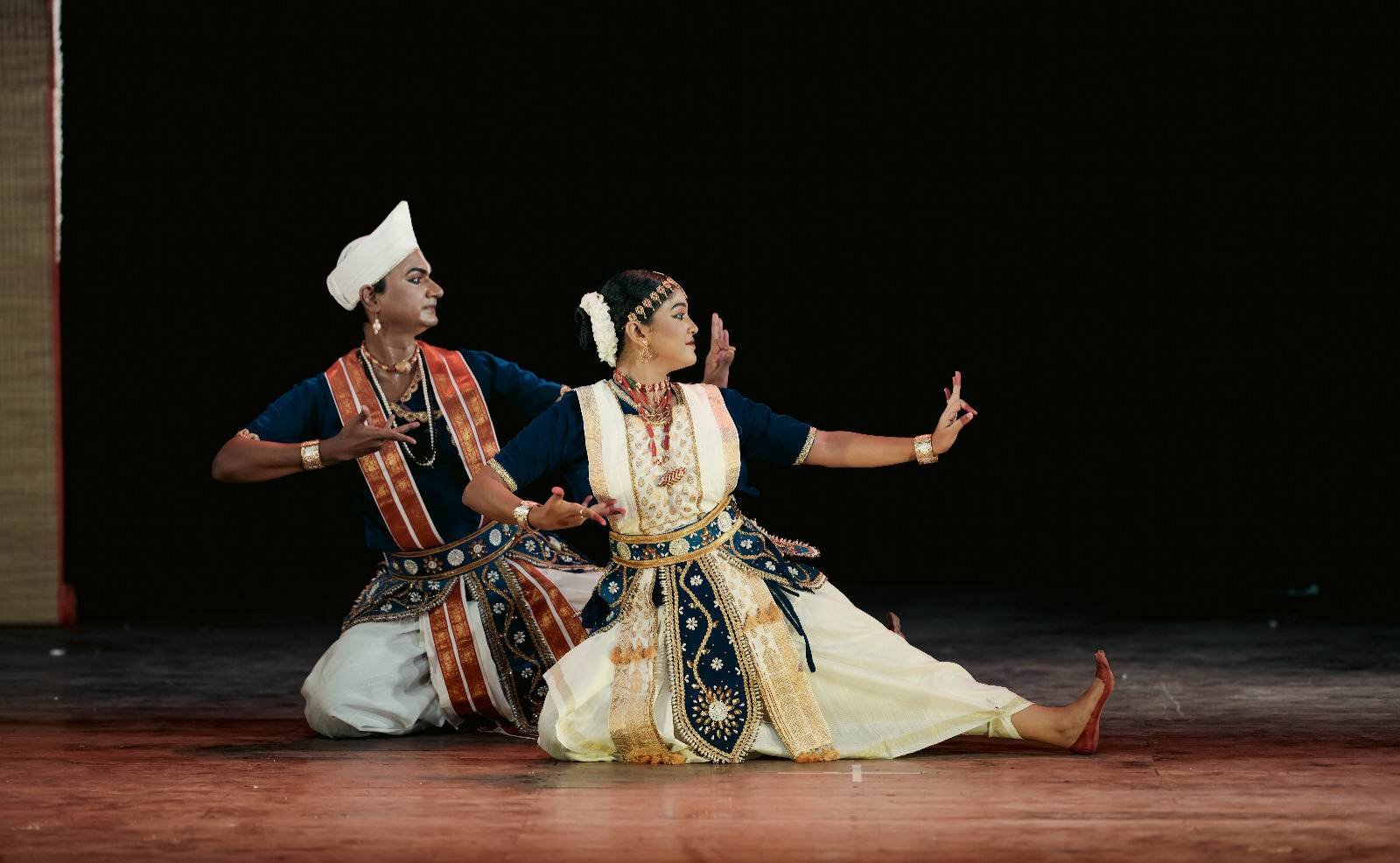
They continued with ‘Dasavatar’, a non-Sattra-origin dance arranged in the Sattriya style, incorporating song and lyrical passages from Sankaradeva’s Kirtana. In the piece, choreographed by Sreemoyee Borah and set to Raag Sareng and Taal Ektaal, the dancers portrayed the ten incarnations of Lord Krishna as described in the Chatur Vimshati Avatar section of the Kirtana.
The dancers’ seamless blending of pure dance and mime struck a chord with the connoisseurs.
Next came a solo Bharatanatyam recital by Guru Smt. Jalsa Chandra, a Ministry of Culture Fellow, accomplished choreographer, teacher and performer of Indian classical dance. Trained under several eminent gurus, including Guru Smt. Thankamani Kutty, Acharya Chitra Visweswaran and Padmabhushan Saroja Vaidyanathan, she is presently learning Bharatanatyam under Vidushi Nandini Ramani.
She presented ‘Ardhanarishwara Stotram’. Choreographed by Guru Smt Jalsa Chandra herself with music composed by Shri M.S. Sukhi, the piece explores the profound symbolism of Ardhanarishwara — the divine form in which Shiva and Parvati are united as two inseparable halves.
On the left, Goddess Parvati (Prakriti) embodies dynamic creative energy with her golden complexion, fragrant flowers, fine silk, and radiant jewels and on the right, Lord Shiva (Purusha) represents detached pure consciousness with his ash-smeared skin, matted locks bearing the crescent moon, tiger hide, and coiled serpents. Together, these contrasting halves reveal a deeper philosophical truth: creation and destruction, energy and consciousness, are completely inseparable parts of a single whole.
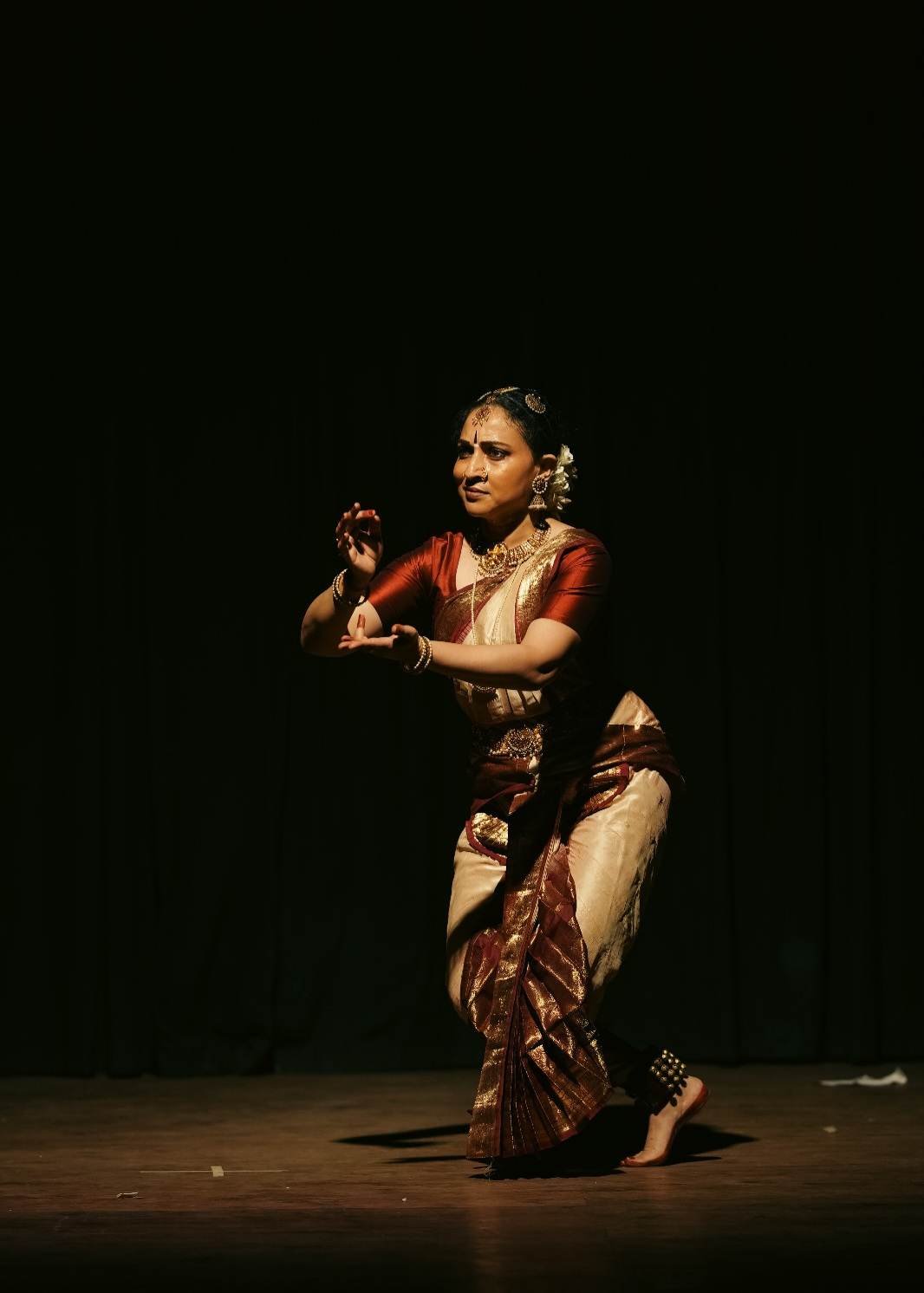
She followed her presentation with ‘Ananda nartana ganapatim bhavaye’, set to Ragam Nattai and Talam Adi, choreographed by Guru Smt. Chitra Visweswaran and music composed by late Vidwan Shri R. Visweswaran.
Through her expressive interpretation, Guru Smt Jalsa Chandra brought the iconography and personality of Lord Ganesha vividly to life, drawing the audience into the world of the composition.
The next offering was a solo Manipuri dance recital by Smt. Somabha Bandopadhyay, disciple and daughter of Professor Dr. Shruti Bandopadhyay.
She presented ‘Dasavatar’, portraying the ten incarnations of Lord Krishna. What lingered most vividly in the minds of the art lovers was ‘Nani Churi’, a piece inspired from the Udukhal Rasalila of Manipur and originally choreographed by Guru Bipin Singh.
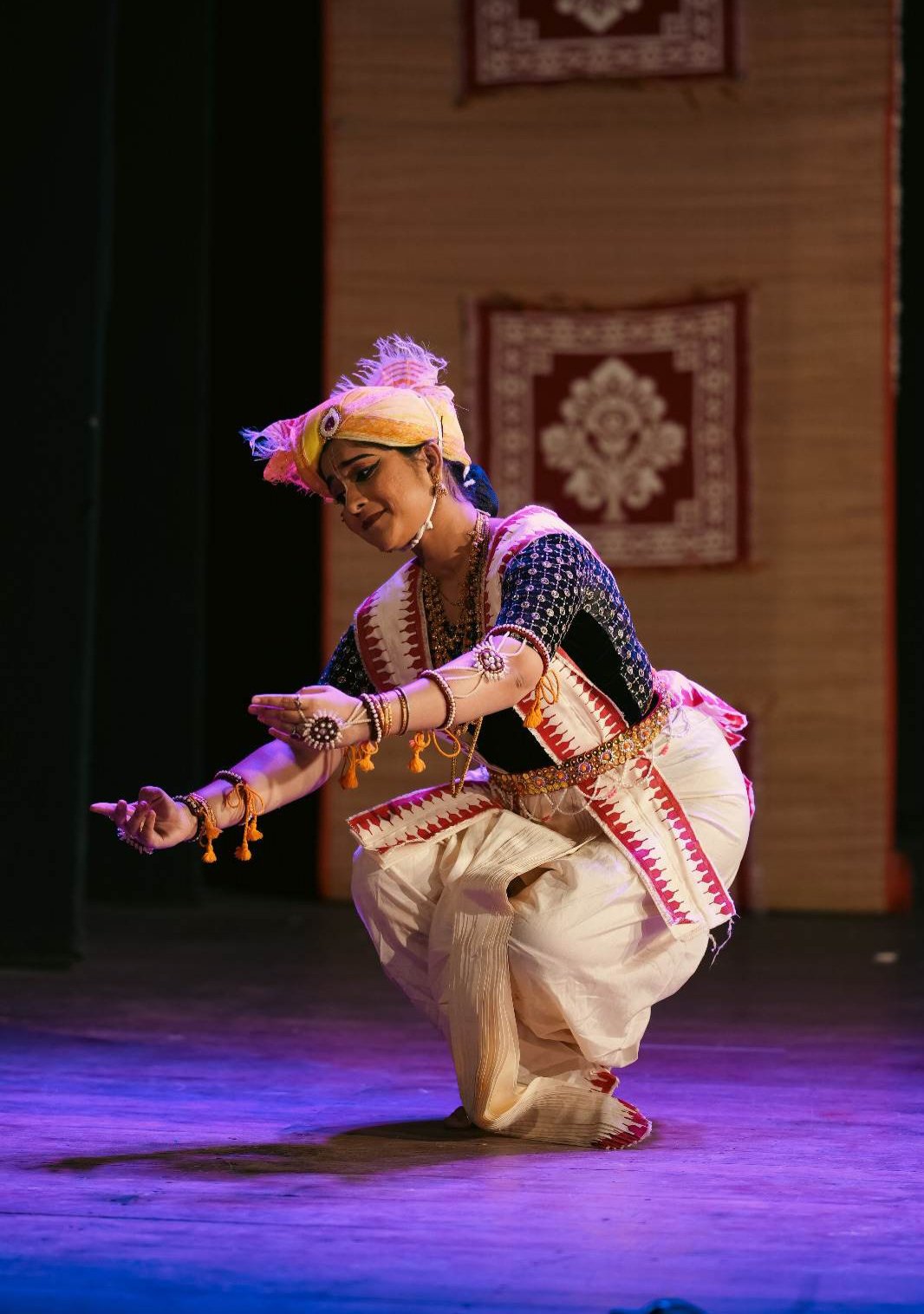
Living up to the expectation, the artiste with her graceful movements and nuanced expressions beautifully portrayed the episode of little Krishna stealing butter.
It proved to be a visual treat for both seasoned art lovers and common audience, indeed.
The penultimate item of the evening was ‘Yatra’, a scintillating group Odissi recital by the artistes of ‘Krittika’, an Odissi dance institution founded by Guru Rina Jana.
Choreographed by Guru Rina Jana herself, music composed by Guru Sukanta Kumar Kundu and rhythm by Guru Dhaneswar Swain, ‘Yatra’ drew inspiration from Adi Shankaracharya’s ‘Jagannath Ashtakam’. The production traced the soul’s euphoric journey towards the sublime infinite, with devotion serving as its emotional undercurrent.
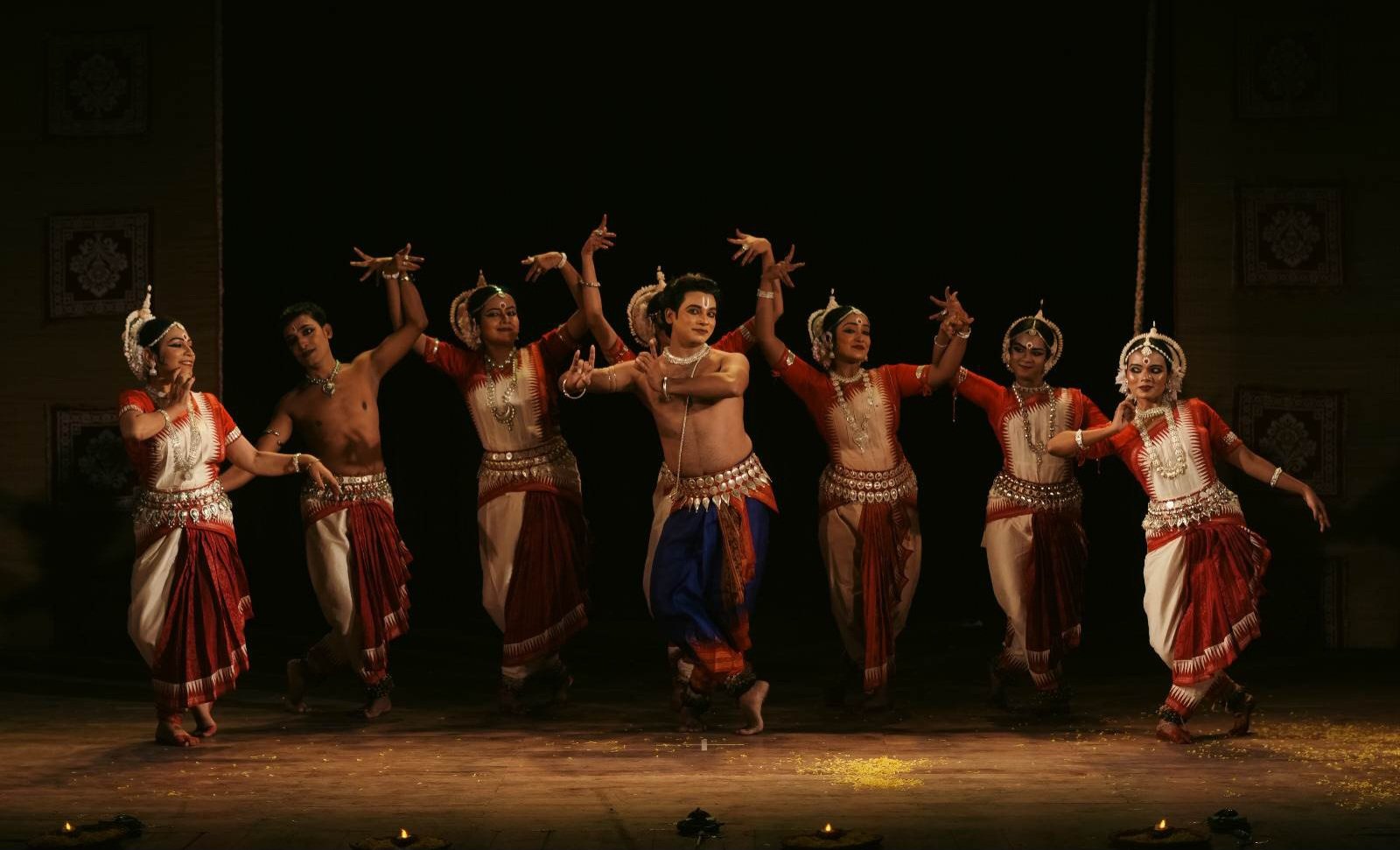
The artistes were Sanjay Shaw, Sucheta Sarkar, Anisha Mondal, Aparajita Mazumdar, Subhodeepa Dey, Piyali Das, Sujan Maity and Mala Sinha and they delivered a poised and polished performance that earned a huge round of applause.
The festival drew to a close on a high note with ‘Umang’, presented by Malashree’s Kathak group.
They opened their presentation with ‘Nandkumārāṣṭakam’, popularly referred to as ‘Sundar Gopalam’, an exquisite composition by Shree Vallabhacharya, celebrating the divine attributes of Lord Krishna.
They followed it up with ‘Bageshree Tarana’, set to Raag Bageshree and Taal Teentaal. The presentation concluded with ‘Niratat Dhang’, a classical ‘Ashtapadi’, an eight-verse lyrical composition, and ‘Lakshan Geet’ of Kathak, written and composed by the legendary Kathak maestro Pandit Bindadin Maharaj.
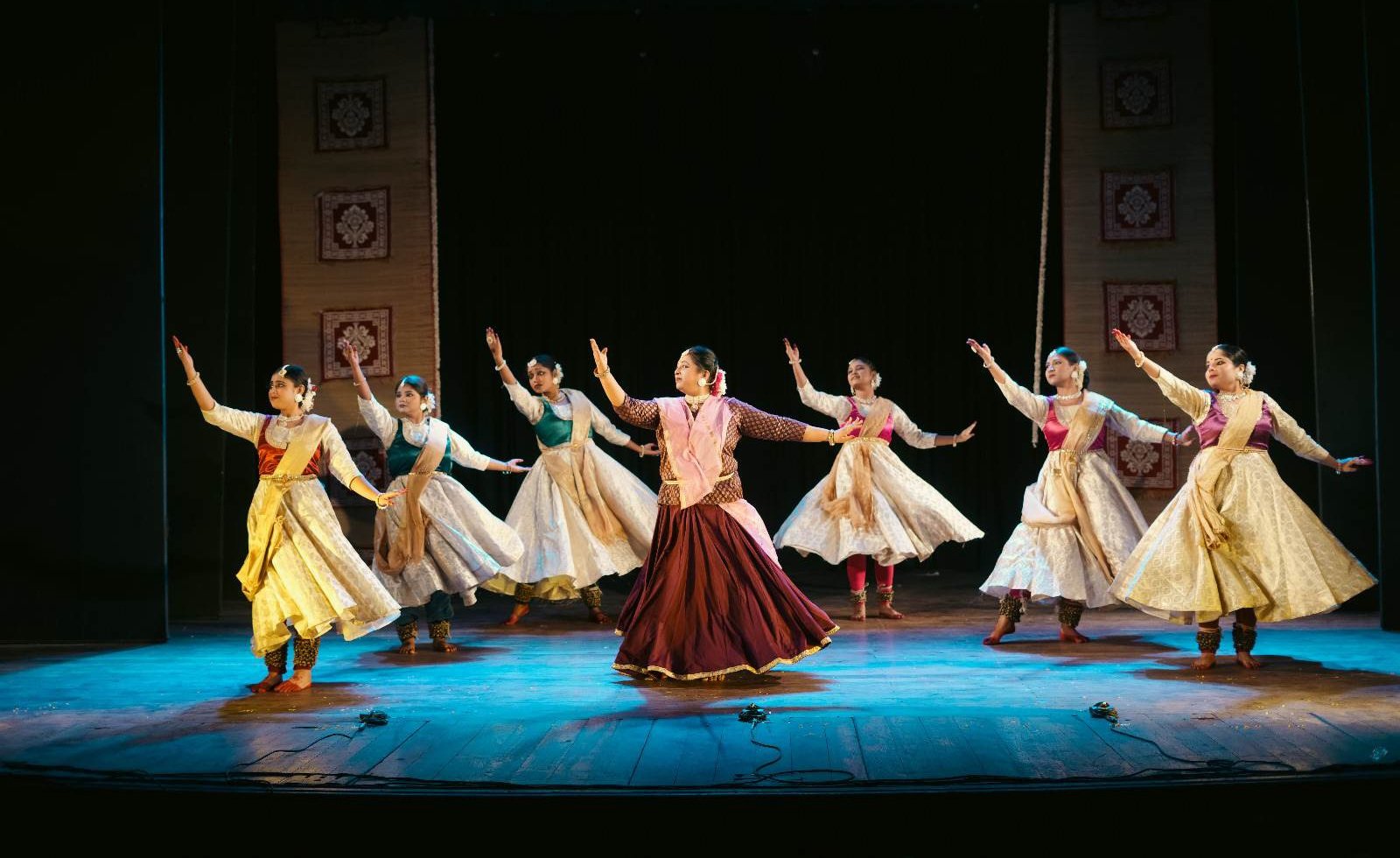
Marked by fast footwork, mesmerising spins and intricate rhythmic patterns, the performances left the audience spellbound from beginning to end.
The artistes-Anwesha Ghosh, Tribidha RoyChowdhury, Sneha Das, Debosmita Saha, Anubrata Chowdhury and Adhirajnee Bose- brought the festival to a fitting close.
When the curtains finally came down, there was a palpable sense of satisfaction among the rasikas. Conversations spilled into the foyer as discussions centered on the performances they had just witnessed — and, inevitably, the wait till its next edition of Prerona.
As part of the festival, a seminar on ‘Aesthetics In Indian Performaning Arts’ was held at Rajya Sangeet Academy on September 20 and the speaker and co-speaker were Sangeet Natak Akademi awardee Shri Piyal Bhattacharya and his disciple Shri Rudrarup Mukhopadhyay.
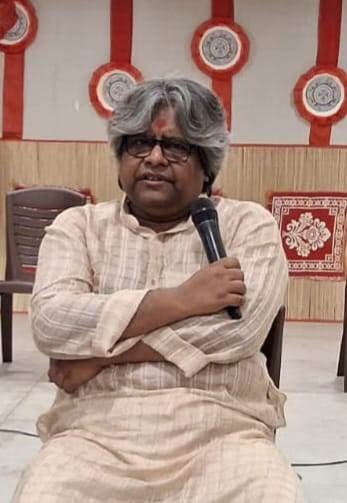
The discussion brought together Indian and Western perspectives on aesthetics and explored how, despite their different trajectories, both traditions ultimately seek to engage with ideals of supreme beauty, pure consciousness and absolute bliss.
And it perhaps the essence of this year’s Prerona festival-different classical traditions and diverse artistic expressions coming together under one roof, united by the timeless language of beauty, rhythm and transcendence.
Photo courtesy: Malashree